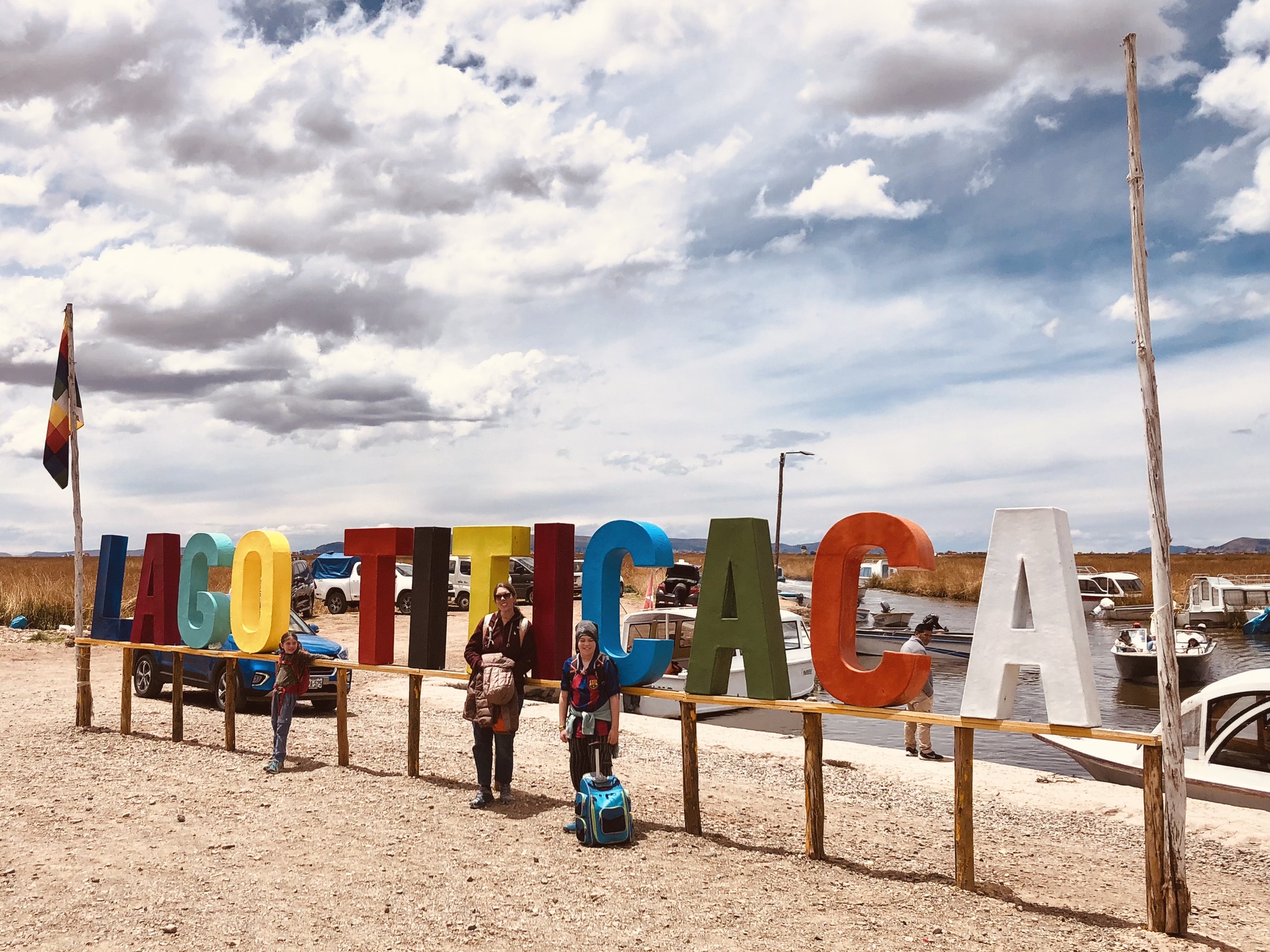
Lake Titicaca and a Special Encounter
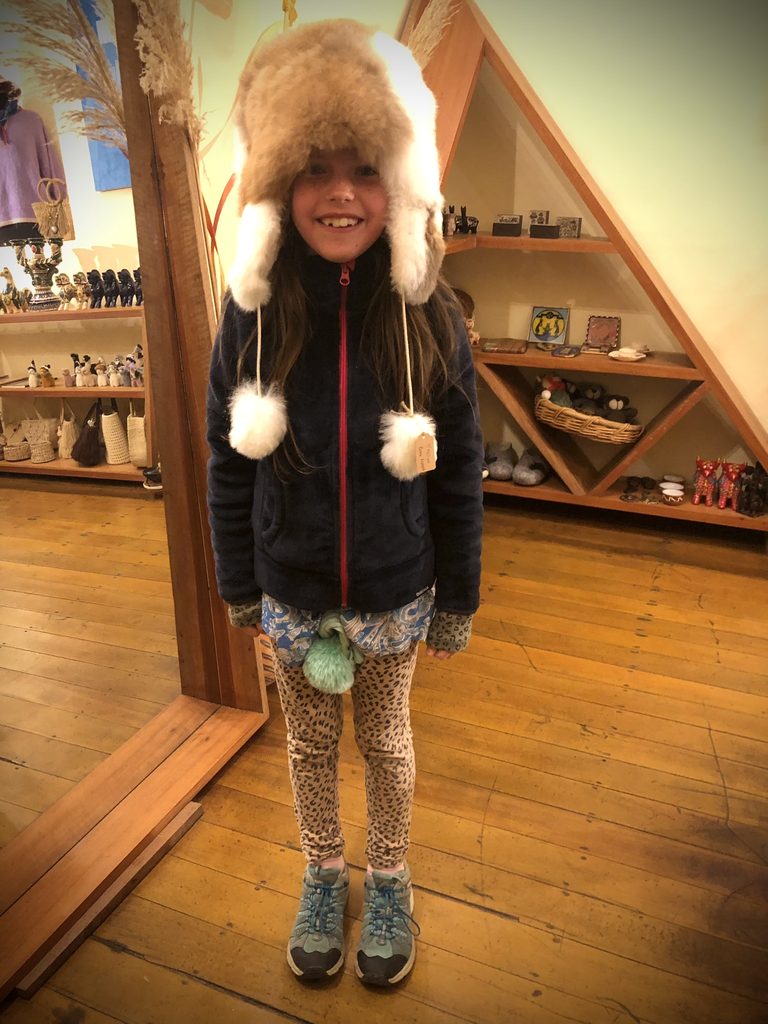
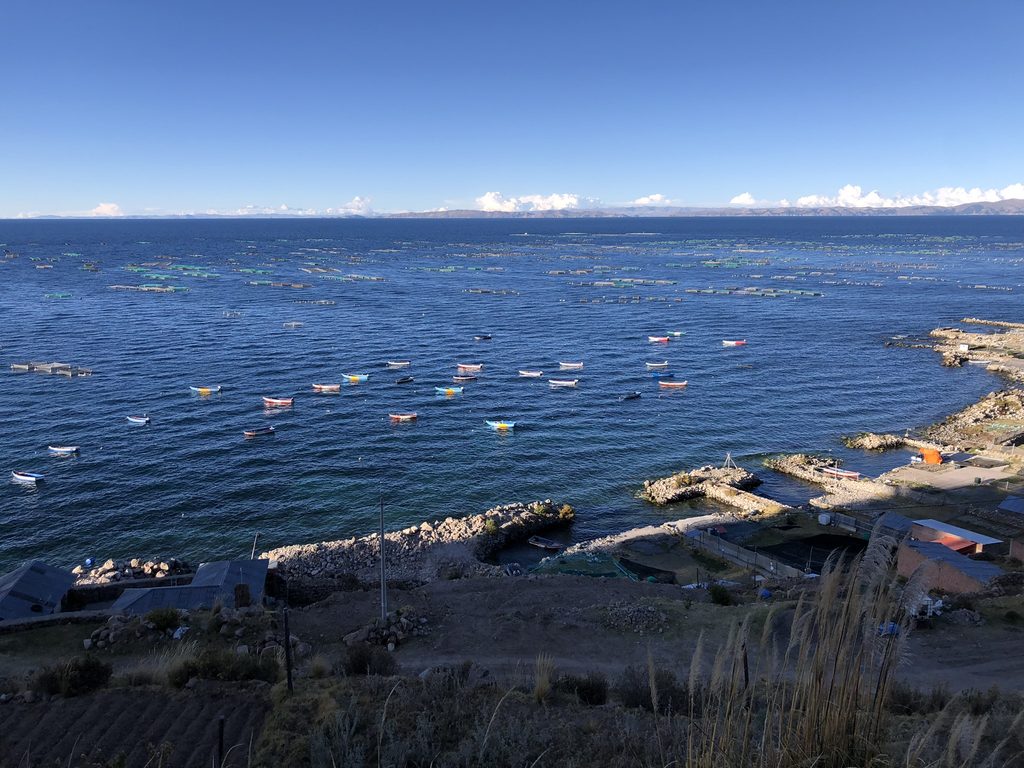
In early October, the children had a one-week school break, and we took the opportunity to explore the region around Lake Titicaca. A large portion of our patients come from this region. It’s about a 10-hour drive from Curahuasi to Puno. With an overnight stop after about 5 hours, the trip went quite smoothly. Once you leave the Cusco metropolitan area, the drive is also very pleasant. Newly paved roads and almost no curves make the drive much more pleasant than what we’re used to on the route to Cusco. Once we arrived in Puno, we felt the effects of the altitude—3,800 meters above sea level—with headaches and chest tightness. It’s also significantly colder (down to -2 degrees at night) and drier than in Cusco. But we’re well prepared and head into the city center for dinner wearing jackets and hats. Afterward, we meet with a nurse who has been working at Diospi Suyana for many years. We learn that a few years ago she spent three months in Switzerland (Walzenhausen) attending a short-term Bible school. That’s where Movida’s international headquarters is located. This is a Christian organization that operates internationally, across denominational lines, and across cultures, supporting young Latin Americans and local Christian churches. MOVIDA is a combination of the Spanish words „mover“ and „vida“ and means „to move life.“.
The next day, we «just happen» to meet Theda and Nils at the best café in town. They’re from Germany and are traveling through Peru for two months. We briefly tell them what we’re doing here in Peru and spontaneously invite them to come spend a few days with us in Curahuasi and check out the hospital. Will we ever hear from them?
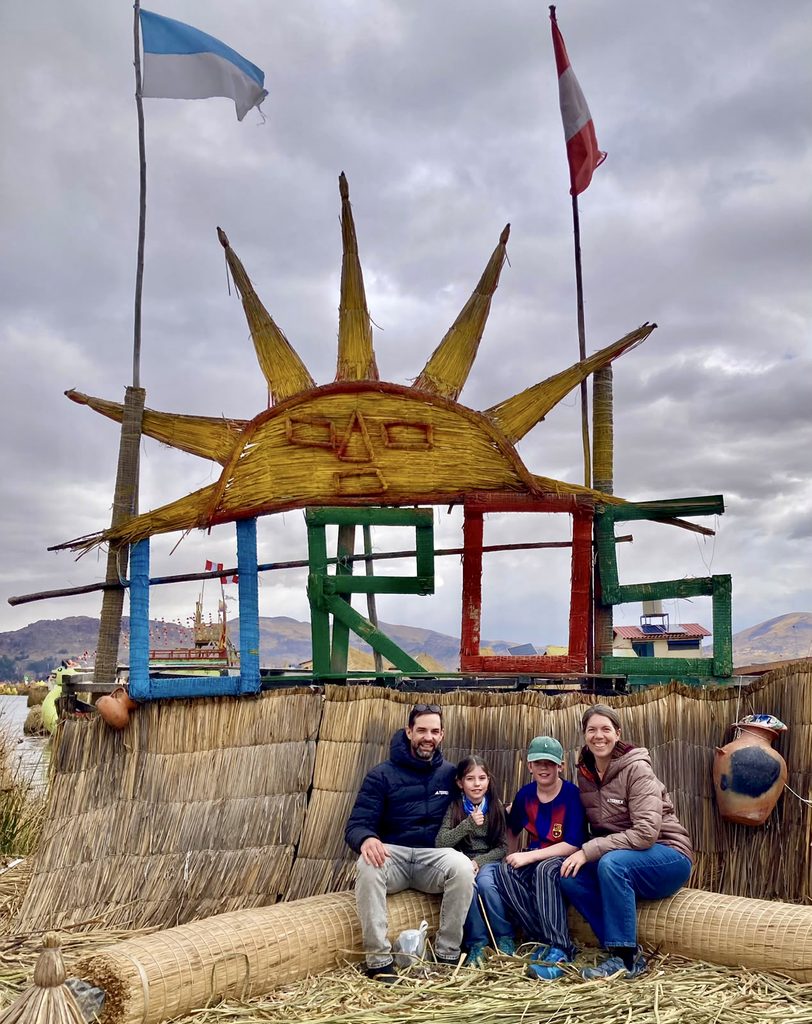
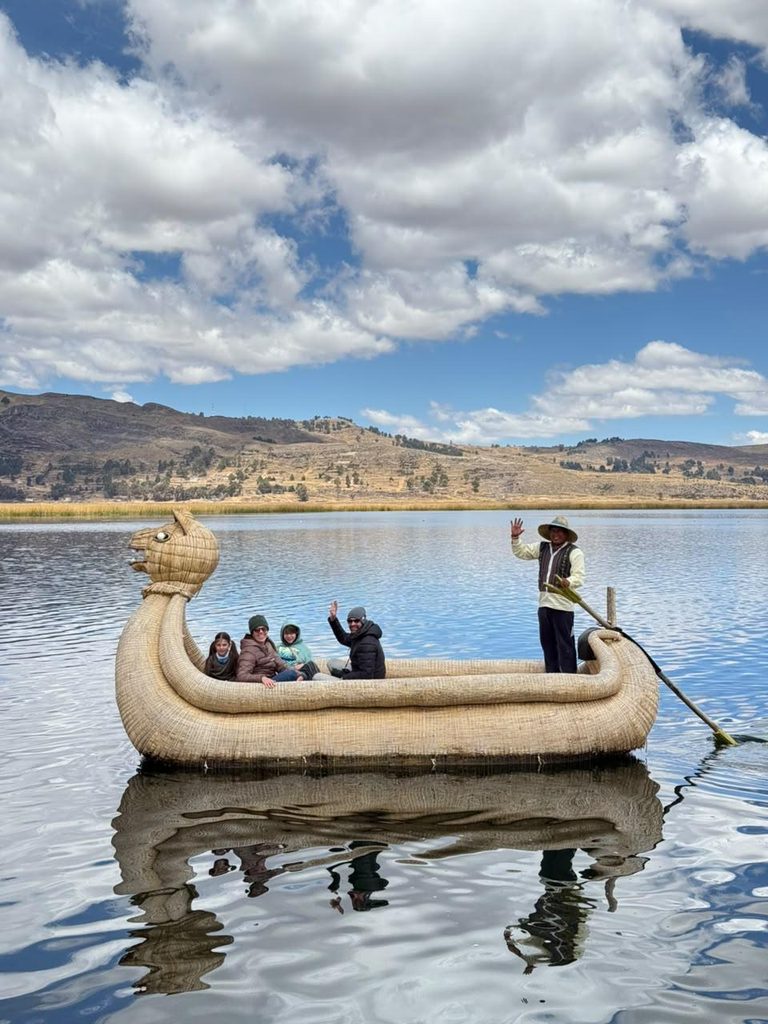
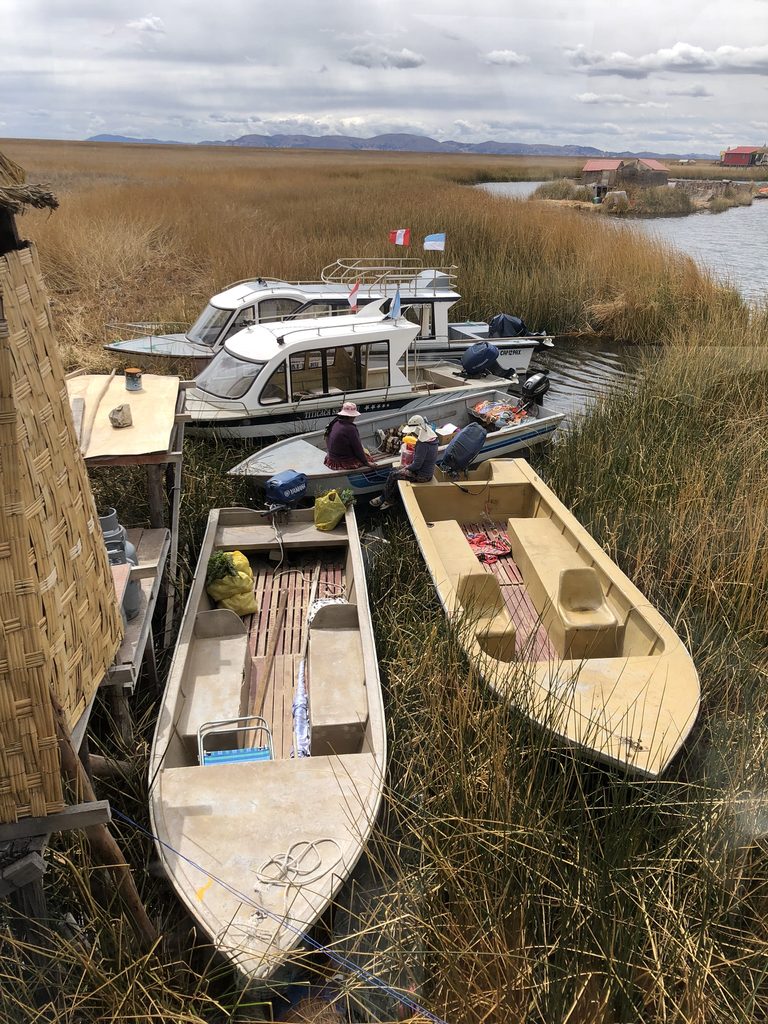
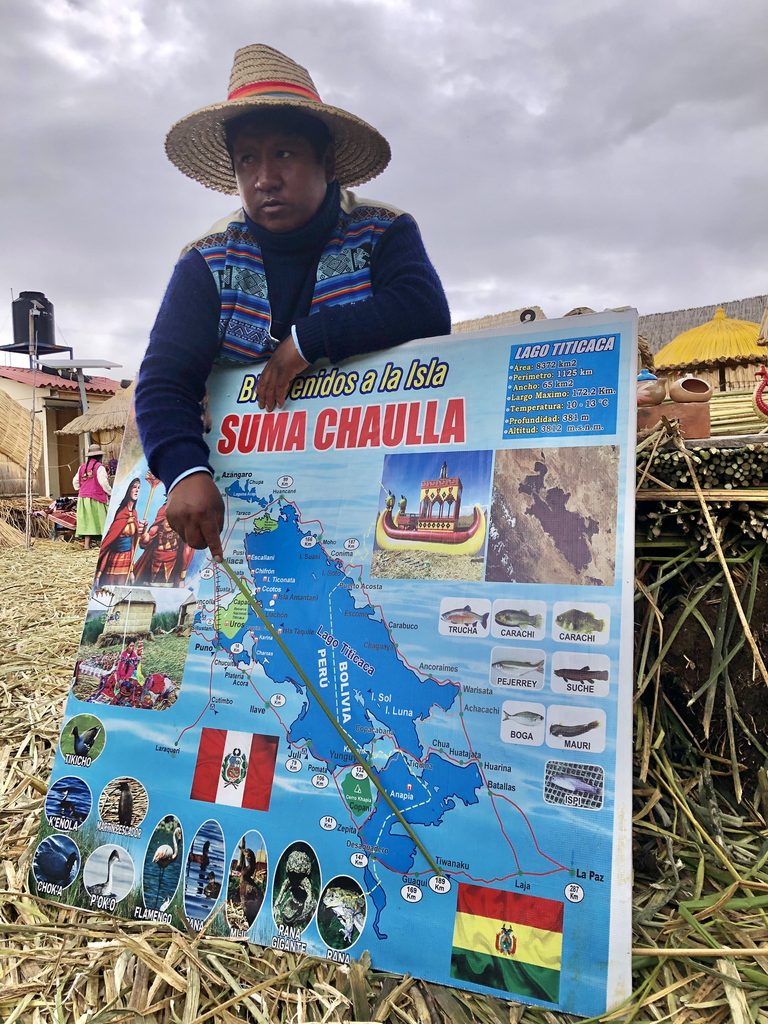
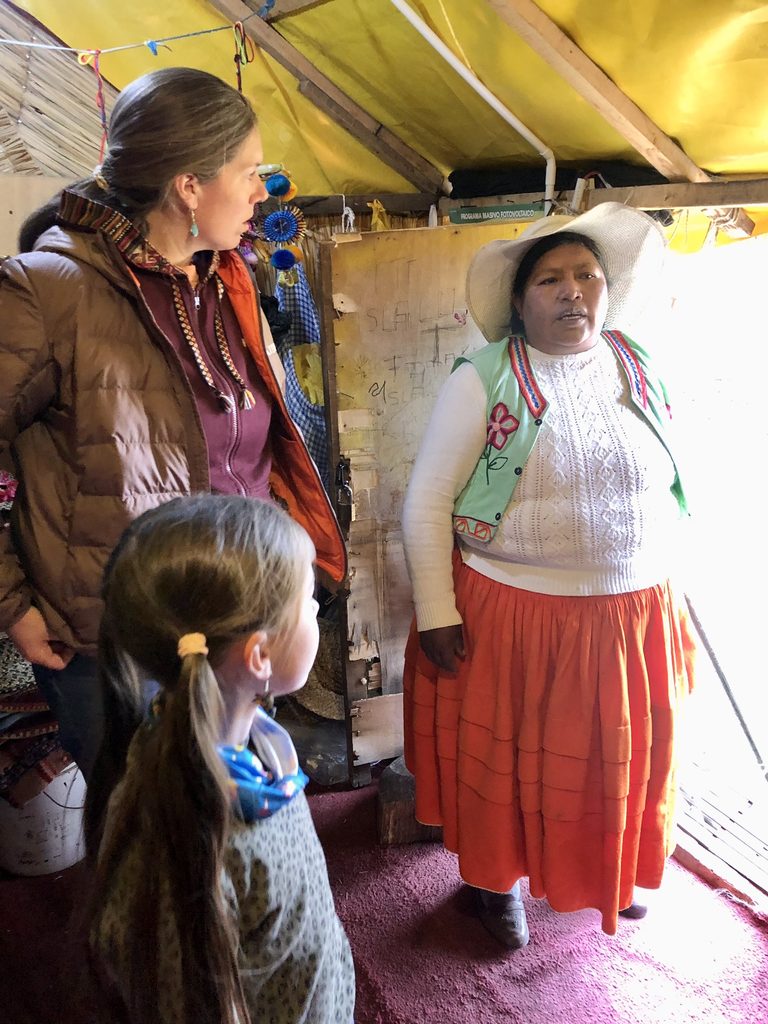
We then continued on to the Uros Islands. These consist of floating reeds and are accessible only by boat. About 1,500 people live there, with four families per island. It takes about one year to build an island. Every 15 days, new reeds are laid on top, as the ones underneath rot away over time. The islands are anchored so they don’t float all the way to Bolivia. The «houses» consist of a single room, where the family sleeps (one bed for the whole family). Life takes place outdoors, come rain or shine. There is one shower and one toilet per island. The women get up at 4 a.m. and prepare meals for their families over a fire. There is also a primary school and sports fields.
We had it a bit more comfortable and slept in a house with two large beds and a private bathroom. The hotels are built and run by people from the Uros Islands. It was a wonderful experience.
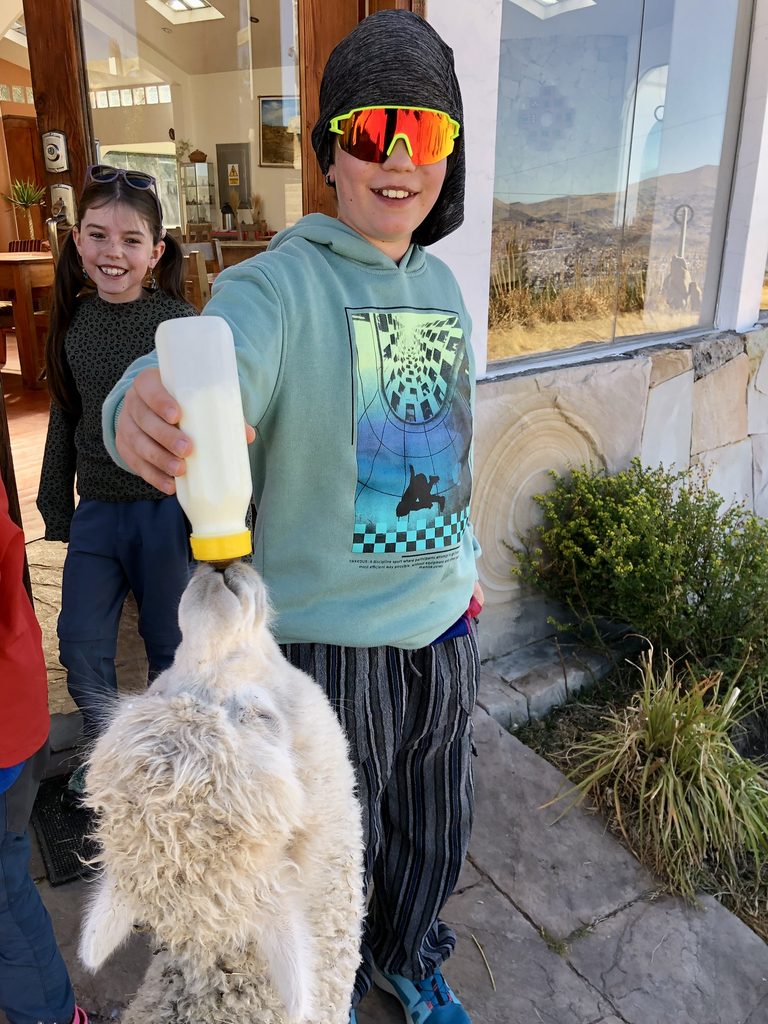
The next day, we booked a hotel just outside of Puno with a great view of the lake and the city. There, we met a German family who had been traveling through South America in their RV for seven months. They told us about a geyser and a lagoon with flamingos. Our curiosity was piqued, so the next day, instead of returning to Cusco as planned, we drove to see the geyser and the flamingos. Before we left, the kids got to feed the hotel’s own alpacas with a bottle of milk.
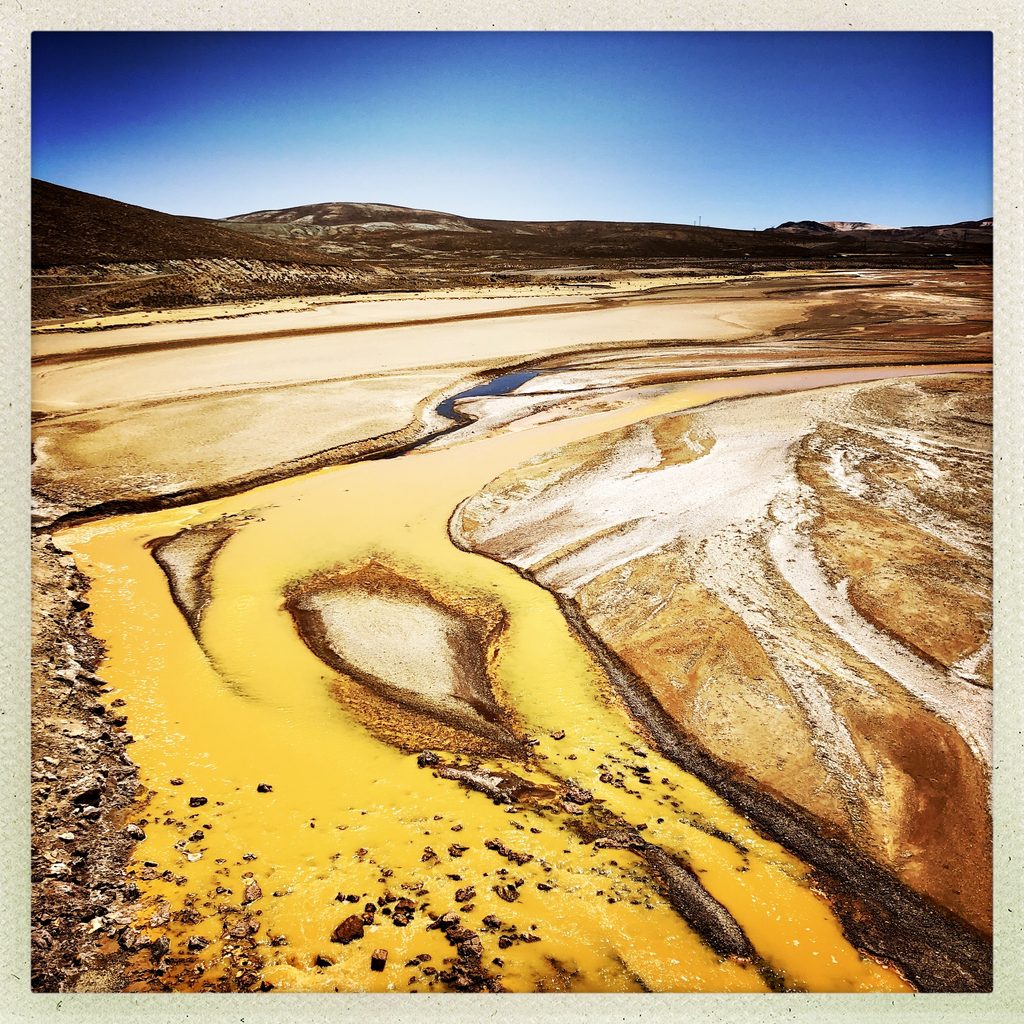
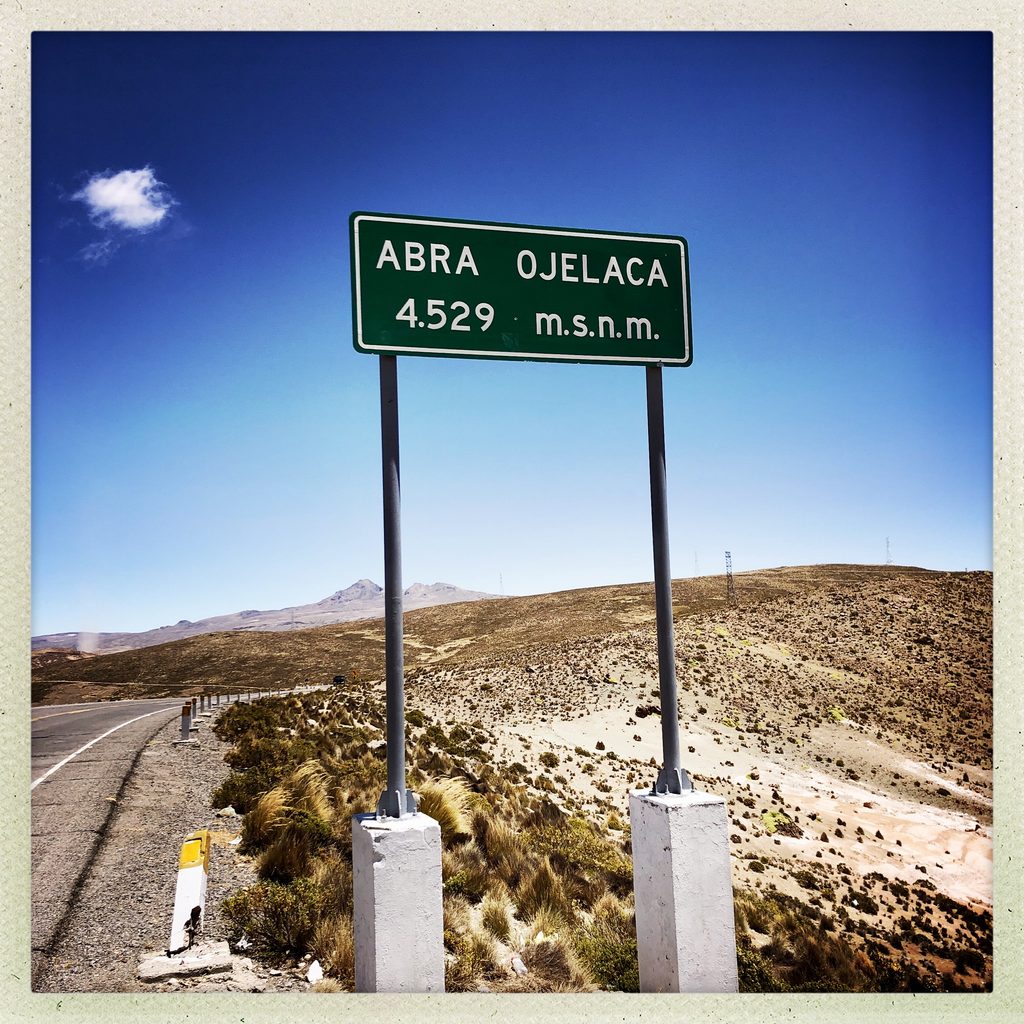
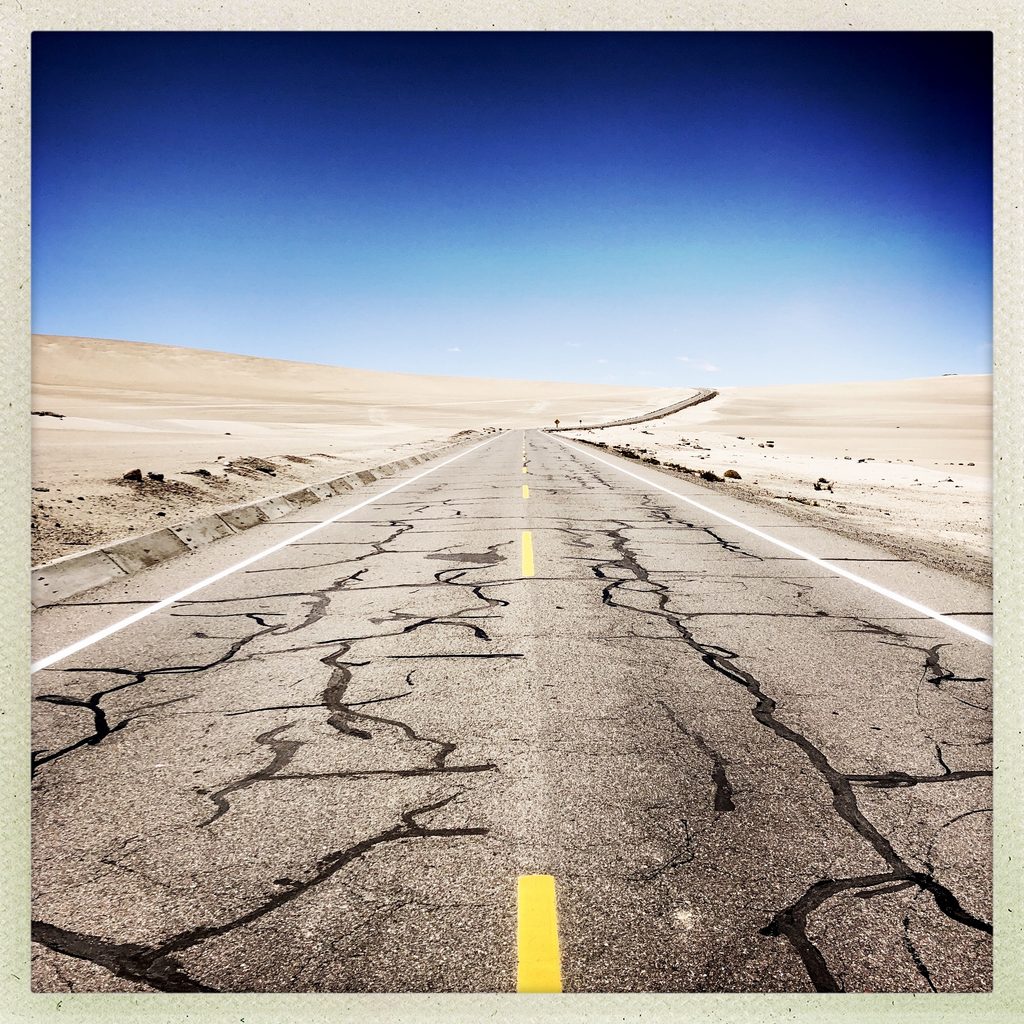
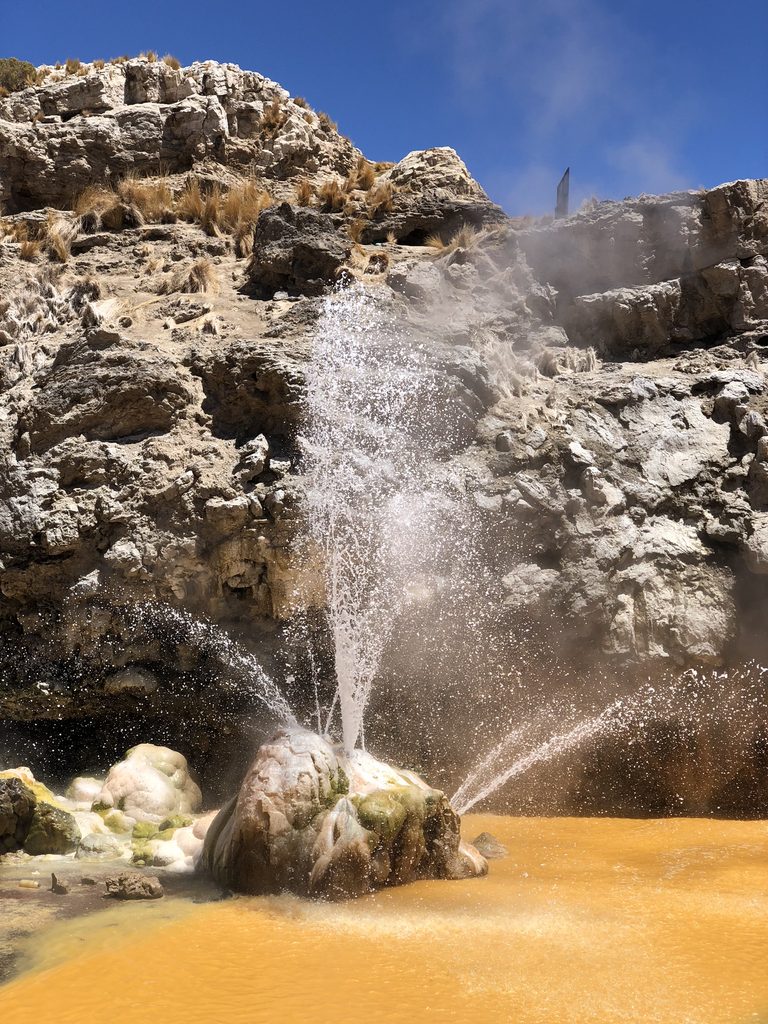
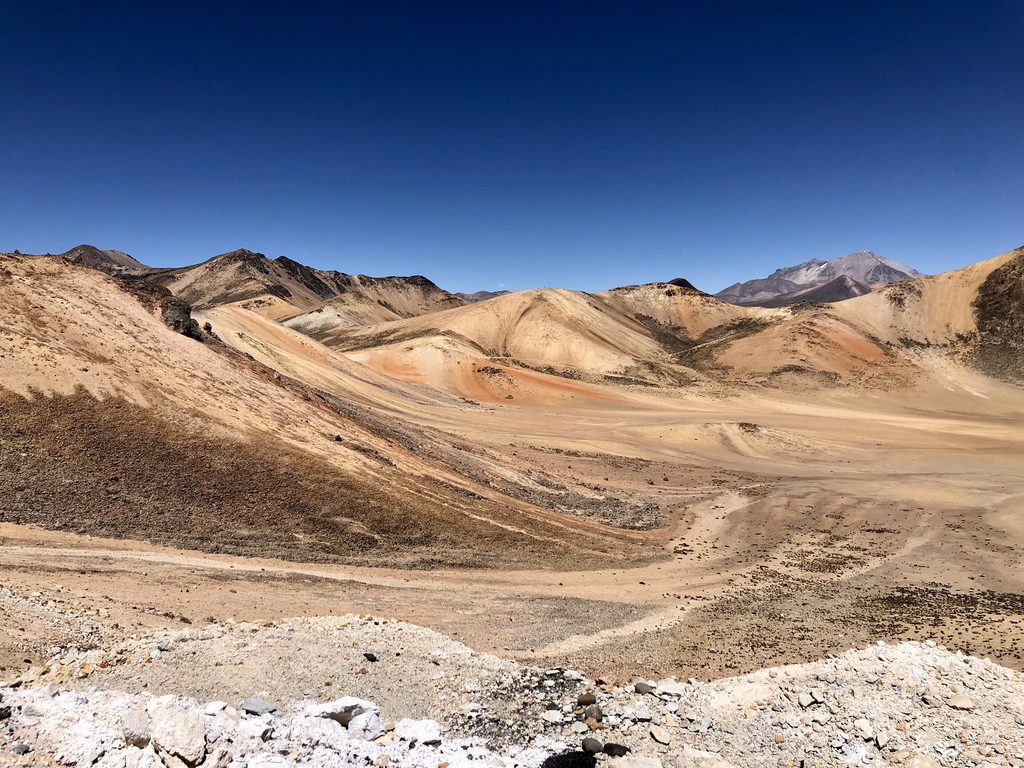
It was a long day—about a 7-hour drive—but it was well worth it, and we were incredibly impressed. We drove past colorful rocks ranging from red to green, and then suddenly we were surrounded by sand dunes ranging from brown to almost white. We saw many herds of alpacas and vicuñas, and after two hours we arrived at the geyser, which continuously spews hot water. It smells strongly of sulfur, and the river is a bright orange color. It was like being on another planet. There we saw viscachas. A rabbit-like rodent from the chinchilla family that is often found perched on rocks in dry highlands.
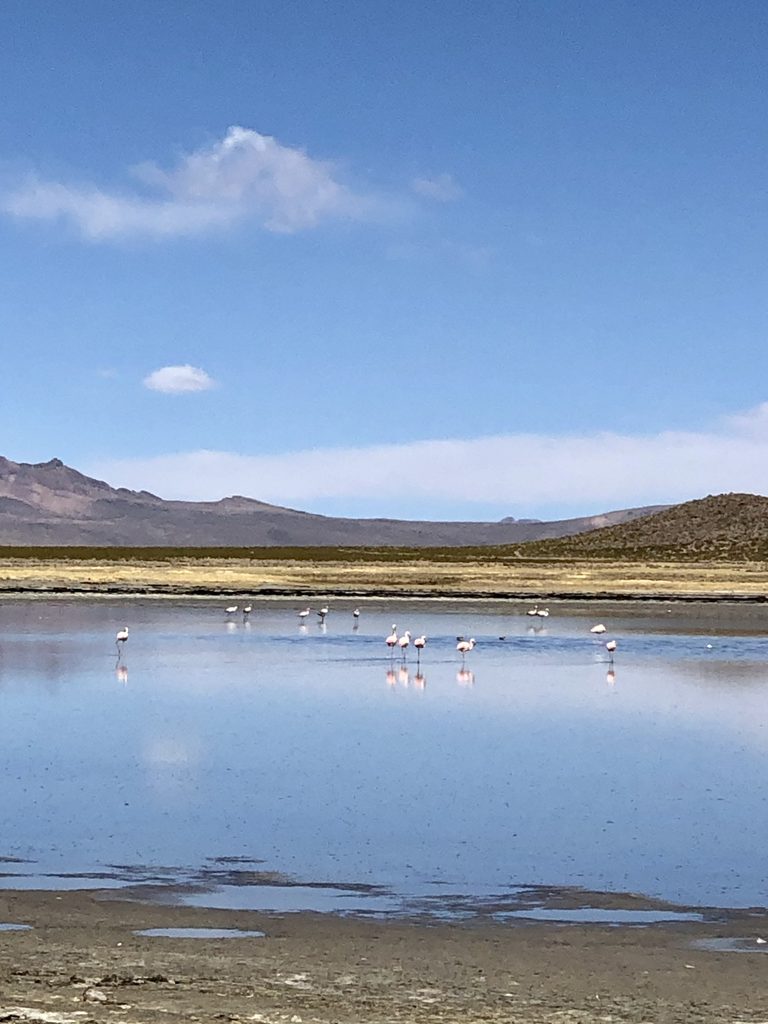
At the lagoon in question, we marveled at the large number of flamingos. The edge of the lagoon was pink. Mava was absolutely thrilled, and so were we! We also saw nandus—they’re small ostriches that live in the Andes. We wondered if we were really in Peru, because we hadn’t heard of any of these attractions before.
After the two-day trip back to Curahuasi, Gabriel received a message from Nils saying that they’d love to visit us and asking when would be most convenient for us. We were a bit surprised that they accepted our invitation, since we’d only met during a 10-minute conversation. They ended up staying for two nights, took a tour of the school and the hospital, and went on an outing to the local mountain. We had interesting conversations about everything under the sun and, overall, had a wonderful time together.
Here is her account of her two days in Curahuasi:
In Puno, we met Rahel, Gabriel, and their children, Mava and Ilay. They were staying at the same hostel as us (the one with an Alpine vibe—maybe you remember it), and when we ran into them again at the only nice café in town, we chatted for a few minutes. They told us that they’re missionaries and work at a hospital in Curahuasi, a town near Cusco (about 3 hours away). They’ve been living in Peru for 2.5 years and are originally from Basel, Switzerland. They recently decided to extend their stay by another year, so they’ll be staying in Curahuasi until 2028. They invited us to visit them there and stay in their guest room if we have the time and feel like it.
We had both of those things, so a few days later we agreed with them that we would stay with them for two nights.
In Cusco, we started out by taking a colectivo. Gabriel and Rahel had given us some information beforehand about what we absolutely had to watch out for, because there are quite a few accidents on the mountain roads and they see the consequences of them at the hospital. We made a pretty good choice with a larger, more stable vehicle that had sufficient tire tread and even seat belts. 😉 (A big hello to our parents!)
The whole family picked us up, and we drove to their house, which was situated in a very idyllic spot among avocado plantations. They had taken over the house from missionaries who had lived there before them. The two donkeys and the dog were already „included“—when we arrived, there were also two horses in the yard, a guinea pig (not for eating here, though), a rabbit, and four cats. A true paradise for animal lovers. At the beginning of the year, the Maurers had converted a room in the addition into a guest room with all the trimmings. They welcomed us very warmly, and we were constantly amazed by the fact that they were inviting complete strangers into their home—and that these complete strangers had actually shown up. The two of them were truly excellent hosts. Rahel used to work at a café in Basel, so she makes the best coffee. She also served homemade rolls on several occasions, which was perfect for us because we really miss German bread and rolls here. They showed us around their yard and garden and, during our evening conversations, answered all our curious questions about their lives and their worldview. It was always clear that we were different, but that wasn’t a barrier to communication at all. It was a truly wonderful experience.
…before we went out into the garden, they warned us about the mosquitoes and flies, saying they would bite. We used the insect repellent they offered and didn’t think much of it. Later, unfortunately, we paid the price: our ankles, calves, and arms were covered in bites that swelled up badly overnight and started to itch intensely. We were warned that this would last for two weeks. Our bodies just aren’t used to the local wildlife yet, and I suppose insect bites are part of the authentic experience.
We arrived on a Sunday, and on Monday it was a normal school day for the children and a normal workday at the hospital for Rahel and Gabriel.
The School:
The hospital’s founders also established a private school that accommodates about 600 children, including the children of the missionaries. However, it is not a German school in the traditional sense; most of the children are Peruvian. The school has set a goal of admitting at least one-third of children whose parents cannot afford the monthly tuition. This is funded through donations, specifically school sponsorships. In other words, the goal was indeed to make it easier for missionary families to come and stay by providing their children with an adequate education. However, this goal was achieved without excluding local children; on the contrary, it benefited particularly poor families.
We accompanied Gabriel and the children to school in the morning. On Monday mornings, there’s always a roll call there, during which the students march and sing the Peruvian national anthem. This is apparently normal in Peruvian schools, even if it seems quite strange to us Germans. Every week, one class puts on a presentation; this time, it was a first-grade class’s turn. Afterward, Tobi, a German social worker who works at the school, gave us a tour of the school. That was really exciting, especially for me! The social-educational team is quite large by German standards and also includes one (or more—I’m not sure anymore) psychologists. They see themselves as psychosocial support providers for children with special needs. In some cases, however, therapies are also offered, and Tobi conducts behavioral training to address aggressive behavior as well as attention training. As wonderful as the school’s inclusive concept sounds on paper (missionary children, children from wealthier Peruvian families, and children from the poorest families— as well as children with intellectual or physical disabilities), it is, of course, just as conflict-ridden and challenging to maintain a positive and learning-friendly environment—as well as to provide appropriate support and stimulation for the children—within such a diverse group. Many of the children do not have their own room at home, no quiet place to do their homework, and often not even a table where they can sit. Many adults in Curahuasi—especially fathers—consume a lot of alcohol. Domestic violence and sexual violence are major issues. We also learned that Peru ranks quite high globally in terms of femicides. A very sad record. This is the environment in which Tobi and his team work. There are many developmental risks they cannot eliminate, partly because there is virtually no child and youth welfare system in Peru. They try to guide and support the children. They compensate to some extent for the inevitable professional helplessness that sets in when you recognize all these problems but have no solution through their faith: by trusting in God, imparting God’s blessing, and praying for the affected children. The latter is, of course, rather foreign to us. But I, too, am naturally familiar with feelings of helplessness in my work and in caring for my patients. It was fascinating for me to experience a completely different way of dealing with this here. The social-educational work being done here is no small feat—it’s life-changing for the children. A few of the school’s graduates are now studying medicine, possibly with the intention of working at the hospital afterward.
The Diospi Suyana Hospital:
The city of Curahuasi is located in the Apurímac region, which borders the Cusco region. This region is one of the poorest in Peru, which is why the founders, Klaus-Dieter and Martina John, established the Christian mission hospital Diospi Suyana there in 2007. Since then, a number of professionals from abroad have been living there—usually for several years—and most of them come from German-speaking countries. Most work at the hospital in healthcare professions (e.g., doctors, nurses, medical assistants, lab technicians, medical technologists, etc.). What makes the hospital so special is that it has set itself the goal of providing health care to the poor rural population, who are generally Quechua. A medical examination here costs only a few soles (I believe 4 soles, which is equivalent to one euro). Although treatments must be paid for, every effort is made to keep costs as low as possible for patients. If someone truly cannot pay, diagnosis and treatment are provided pro bono. This is possible because the hospital is funded by donations and the missionaries do not receive a salary.
In the afternoon, Rahel gave us a tour of the hospital. She works in the lab, drawing blood and analyzing it. For me, as someone with a fear of blood, this is of course a great opportunity for a little exposure! But I just barely managed to avoid fainting, and the tour was able to wrap up as planned. Rahel took us everywhere—including the orthopedics department, the radiology department, the emergency room, the chapel, and the hospital’s own radio station.
Patients often travel for many hours—sometimes even days—by bus and colectivo to reach the clinic. In the morning, they line up at the gates. Appointments for the day are assigned using a random selection process and then handled in order. This ensures equal opportunities for everyone, but it also means there’s a chance of not getting an appointment for several days in a row. Those who haven’t received an appointment are assessed by the emergency room staff—including Gabriel—using a triage system. In cases of acute need, same-day treatment in the emergency room is provided. For example, if people arrive immediately after a car accident, they are given priority. Unfortunately, however, there is no ambulance service—anyone with an emergency must get there on their own. In this respect, however, Curahuasi is probably no different from other cities: For example, there are apparently ambulances in Cusco, but apart from a stretcher, they are usually equipped no differently than a taxi—and on top of that, they’re slower and more expensive. Part of Gabriel’s job is also to transport patients to Cusco who need a procedure that cannot be performed in Curahuasi (for example, they don’t yet have a neurosurgeon there). Once there, he often has to fight on the patients’ behalf to secure a bed at the regional hospital (which we’d already visited during our search for a yellow fever vaccination).
The orthopedics department was very impressive. There, orthoses are custom-made using 3D printing. There are many people in Peru with congenital deformities, likely due in no small part to water contamination—for example, from heavy metals and mercury near mines. Many of those affected have no access to orthoses, and there are many makeshift solutions (which are of very poor quality compared to medical orthoses). In addition to the 3D printer, the orthopedics department here also works with in-kind donations from German manufacturers. Christian, the missionary working here and a master orthopedic technician, showed us pictures and videos of many cases of children who, with the help of an orthosis or prosthesis, were suddenly able to walk, run, climb, and play—things they had previously been unable to do. There was a certain magic to it that even we „skeptics“ couldn’t help but be moved by. He is currently training a young man (a certified welder) in orthopedic technology and dreams that this young man will, in turn, go on to train other local Peruvians in the field.
In the radiology department, Rahel told us how they acquired their MRI machine (very expensive!). I hope I can recount the story correctly: In Germany, there is the „German Future Prize“ for technology and innovation. A team of researchers once won this prize for developing an MRI machine that uses only a fraction of the energy (helium) required by a standard MRI. They developed the machine specifically with the goal of deploying it in Third World countries. After winning the highly endowed prize, they decided to donate both the machine and the money to Diospi Suyana. However, it took a major coincidence—or perhaps a miracle, depending on how you look at it—for them to even become aware of this project in Peru: Years earlier, one of the developers or someone close to them (I’m not entirely sure anymore) had downloaded an audiobook. It was by the hospital’s founder and was about this project. Actually, this person had intended to download and listen to something else, but ended up sticking with the „mistake,“ listened to the audiobook, and only because of that became aware of the project in Curahuasi.
During our stay, we heard many stories about miracles of this and similar kinds. Even though I would tend to attribute these miracles to the people involved—their openness, confidence, and love for their neighbors—we can at least understand the interpretation that they are miracles from God.
Toward the end of the tour, Rahel showed us the hospital’s own radio station. Among other things, it’s used to share health information with the public in Quechua—for example, by interviewing doctors from the hospital. Nils and I were baptized and raised in the Christian faith. But neither of us attends church, and we couldn’t honestly recite the creed. That’s why some things here feel foreign to us—for example, praying for one another and especially for patients for whom all medical options have been exhausted. Interpreting events as „God’s miracles“ is, of course, also rather foreign to us. We would probably describe the same thing as a „lucky coincidence,“ or perhaps even „fate“ (?). But we were truly deeply impressed by what is being accomplished here (in God’s name). As little as we are attached to faith, we can still clearly identify with Christian values—such as love for one’s neighbor, gratitude, and social justice. After years of reading and hearing—primarily through the media and especially from the Catholic Church—about institutional abuse of those under its care and financial enrichment, it was truly wonderful to see other aspects of Christian ministry once again. Of course, we’ve always known that a great deal of good is accomplished in the world in the name of the Church or the Christian faith. But it’s different to experience it firsthand. We certainly won’t suddenly become churchgoers once we’re back in Germany—but we’ve decided to support the Maurer family in their work and their life there through donations. We may not believe in their God, but we firmly believe in the great value of what they’re doing here.
I hope I was able to bring this experience to life for you, too, if you've „stuck with it“ this far. We are very grateful to the Maurers for this experience, which has given us a whole new perspective on Peru.
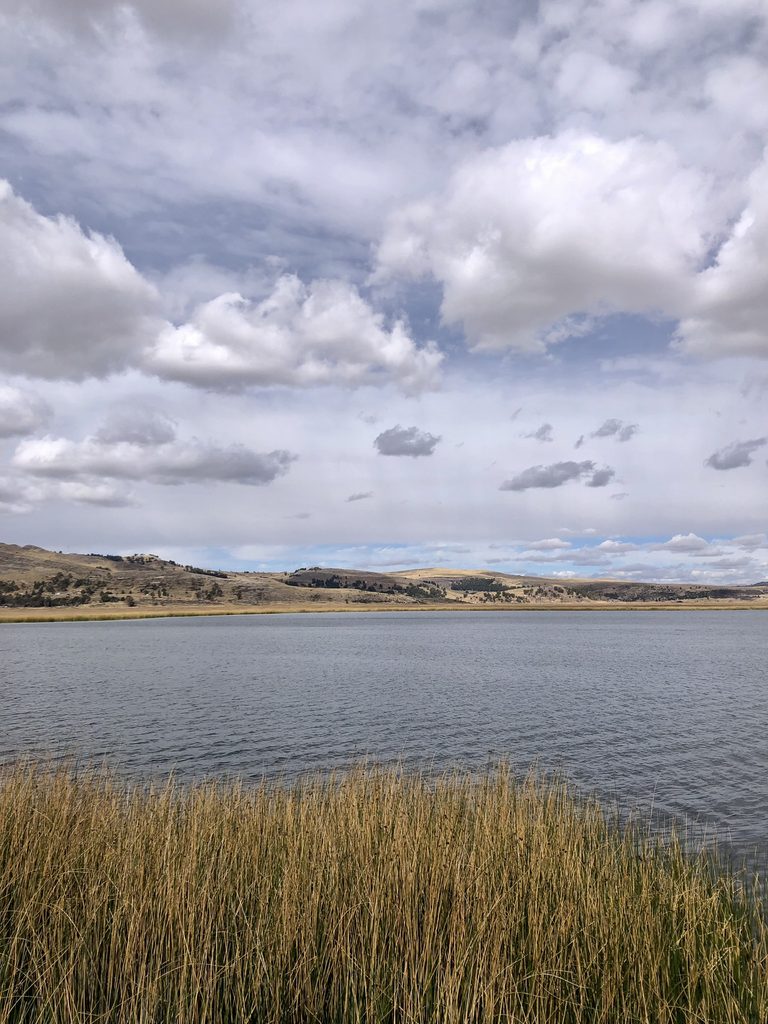
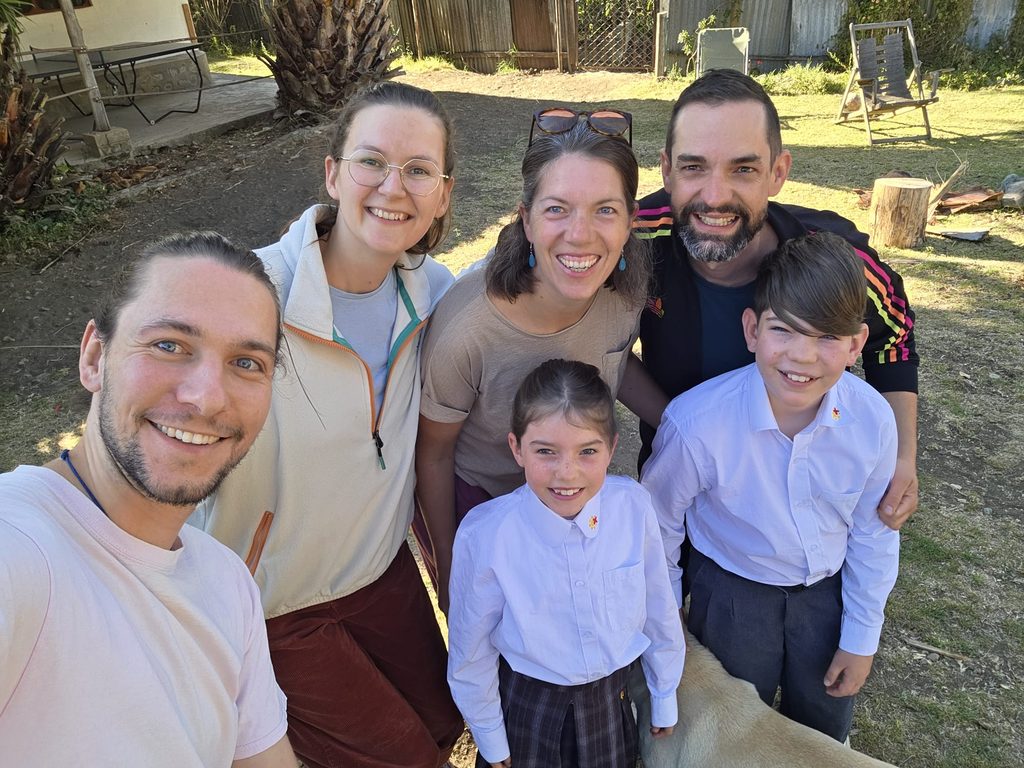
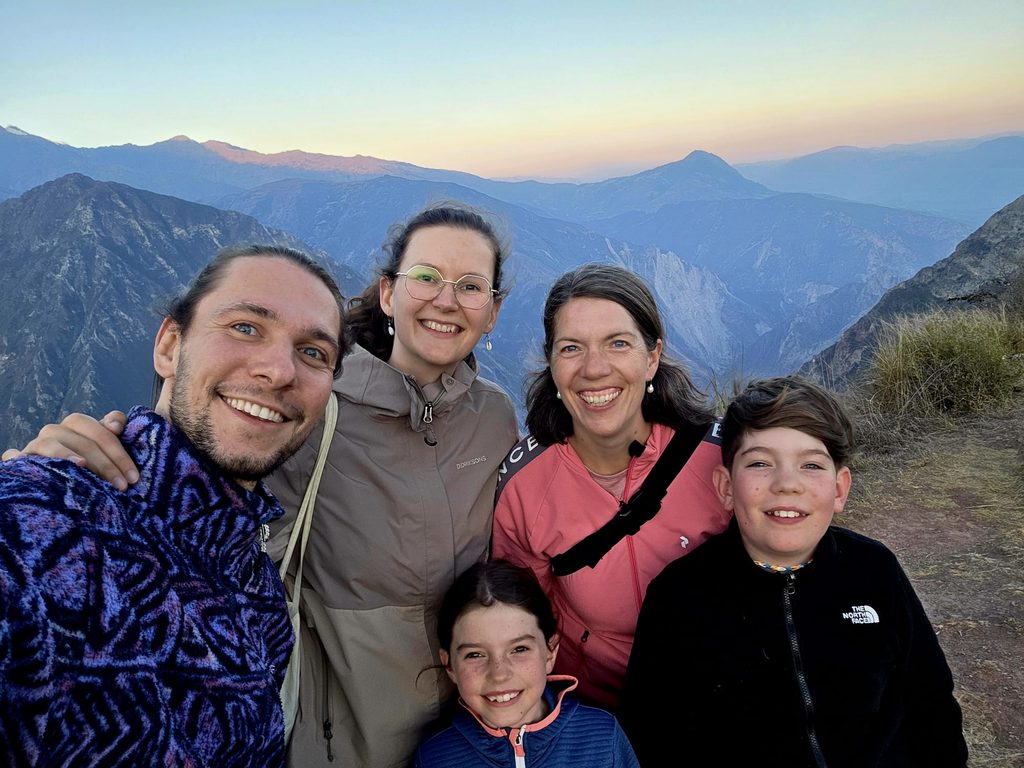
We'd like to take this opportunity to extend a heartfelt thank you to Theda and Nils for their detailed account of their experience. Here are a few more snapshots from our time around Lake Titicaca.
 Deutsch
 Español de Perú
 English