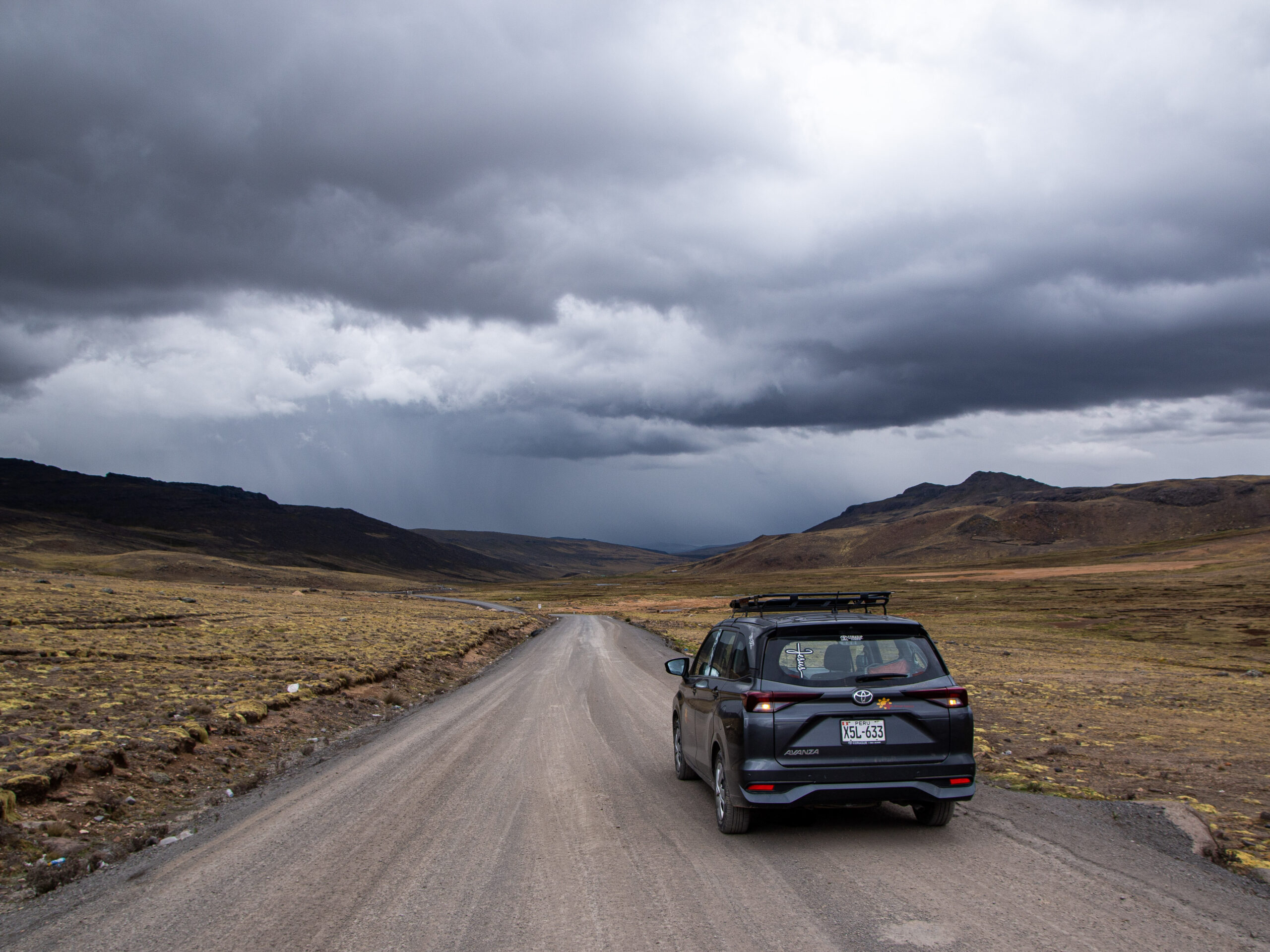
Road trip to Lima by car!
Every January, all SIM missionaries gather for a 5-day conference in Lima. (SIM, which stands for Serving in Mission, is our mission organization.)
This year, Rahel had the idea that we could drive to Lima—about an 18-hour trip. There are a few sights to see along the way, and with 2–3 overnight stays, it would be doable.
It took a little persuasion before everyone agreed.
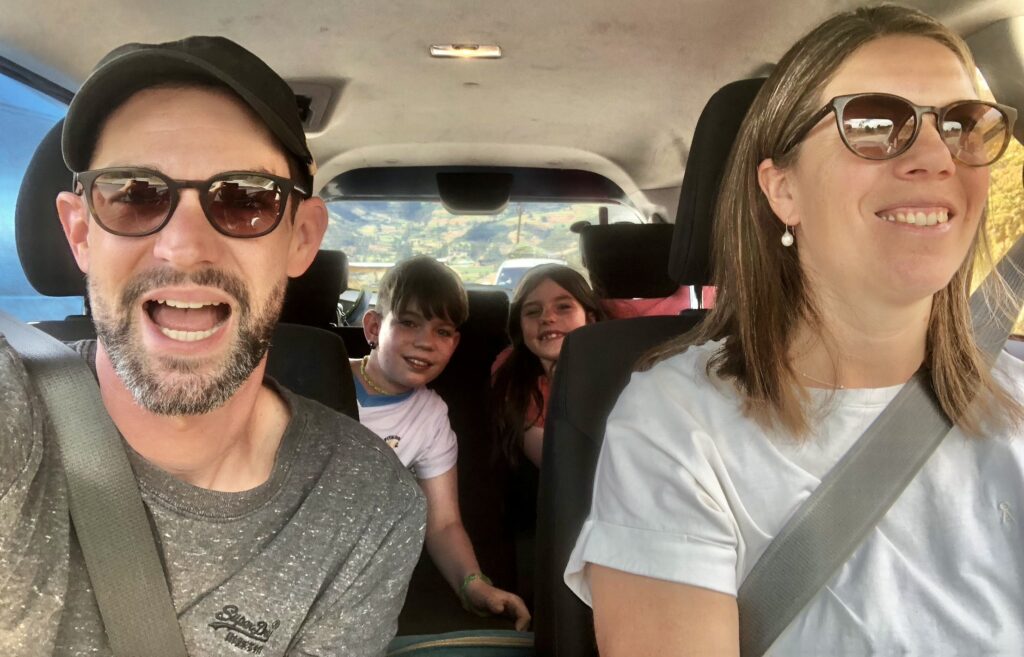
We drove to Andahuaylas first, which is actually a detour. But we really wanted to see that area, since some of our patients are from there.
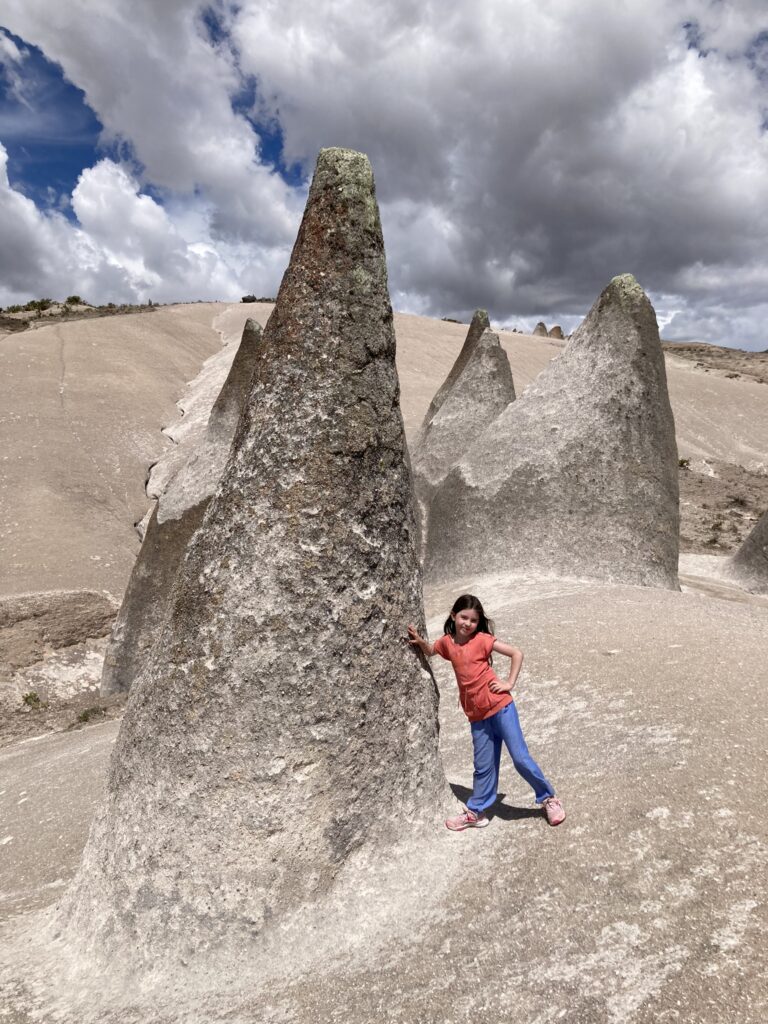
From there, we continued on to Pampachiri to visit the Bosque de Piedras (Stone Forest). The landscape was very diverse and impressive!
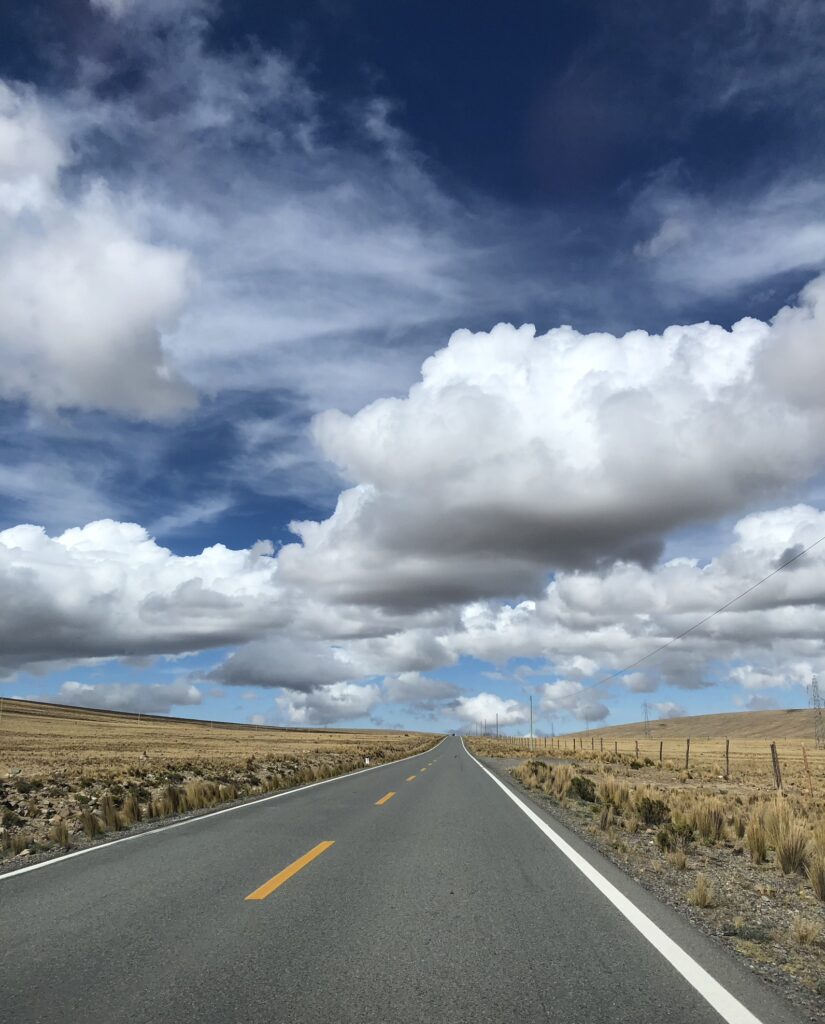
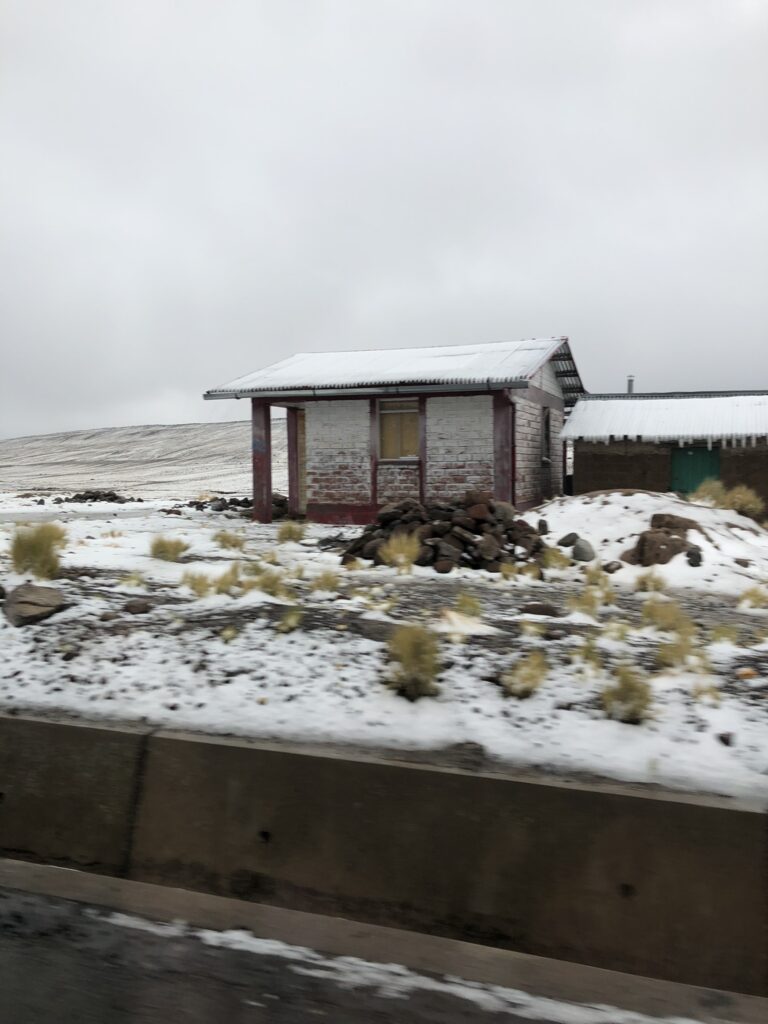
We then drove across a plateau—nothing but alpacas as far as the eye could see, the occasional shepherd, and nothing else. Suddenly, it started to hail, and everything turned white! The highest point was about 4,600 meters above sea level. No houses, shops, gas stations, or restaurants—and no cell phone signal either!
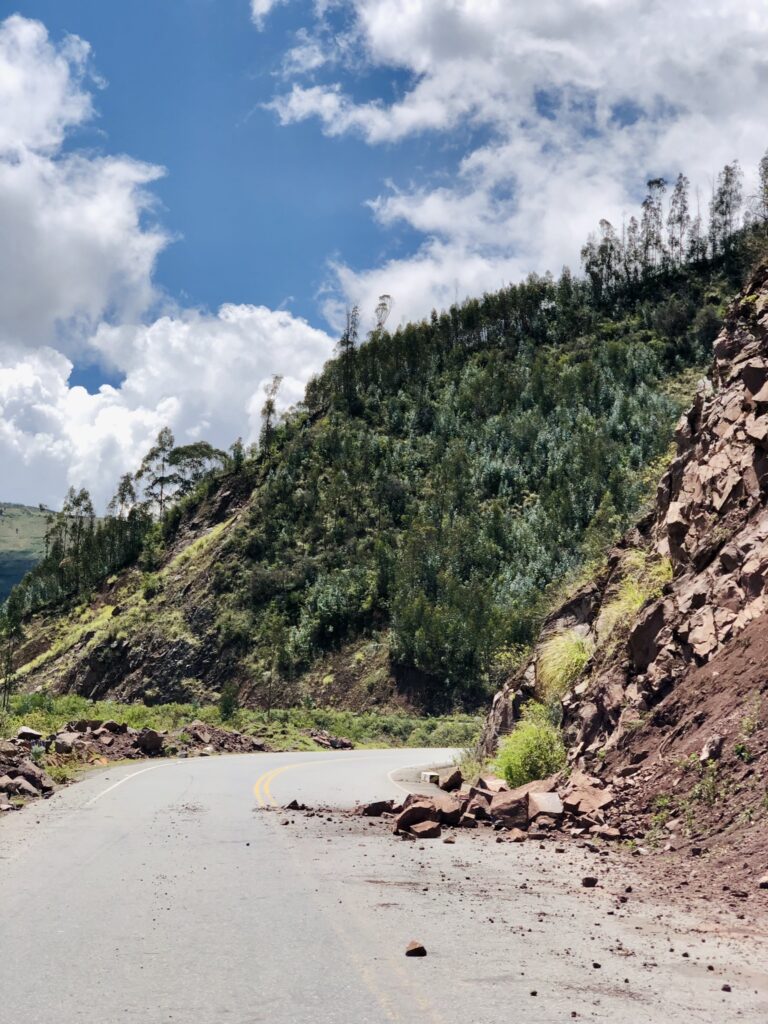
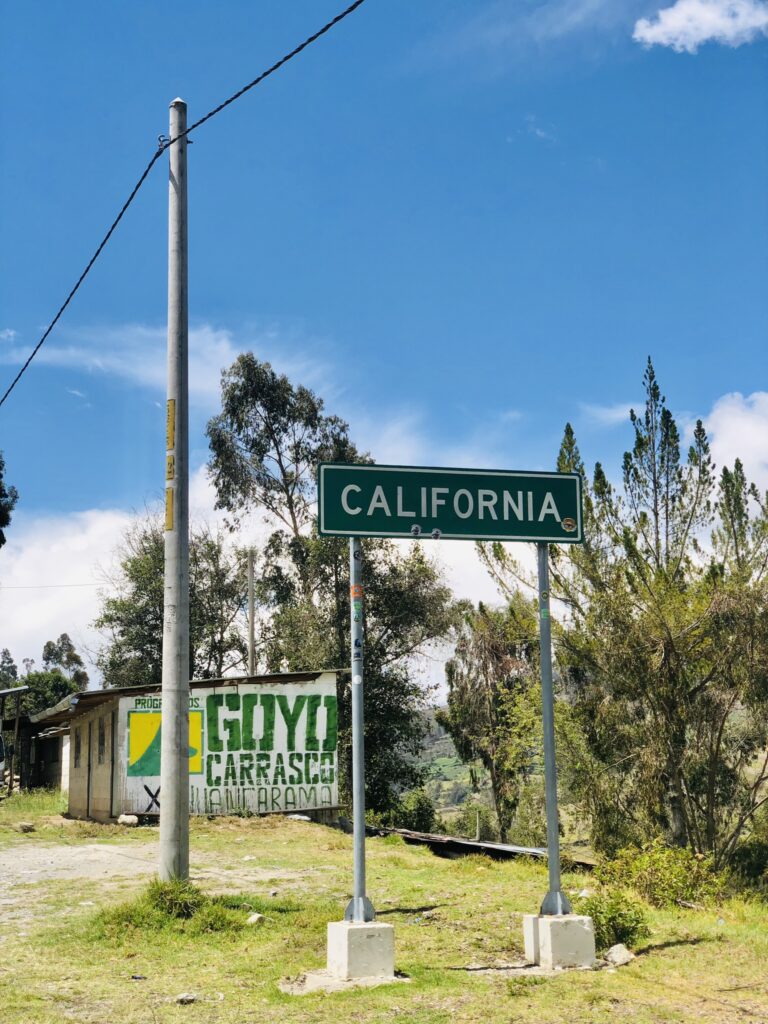
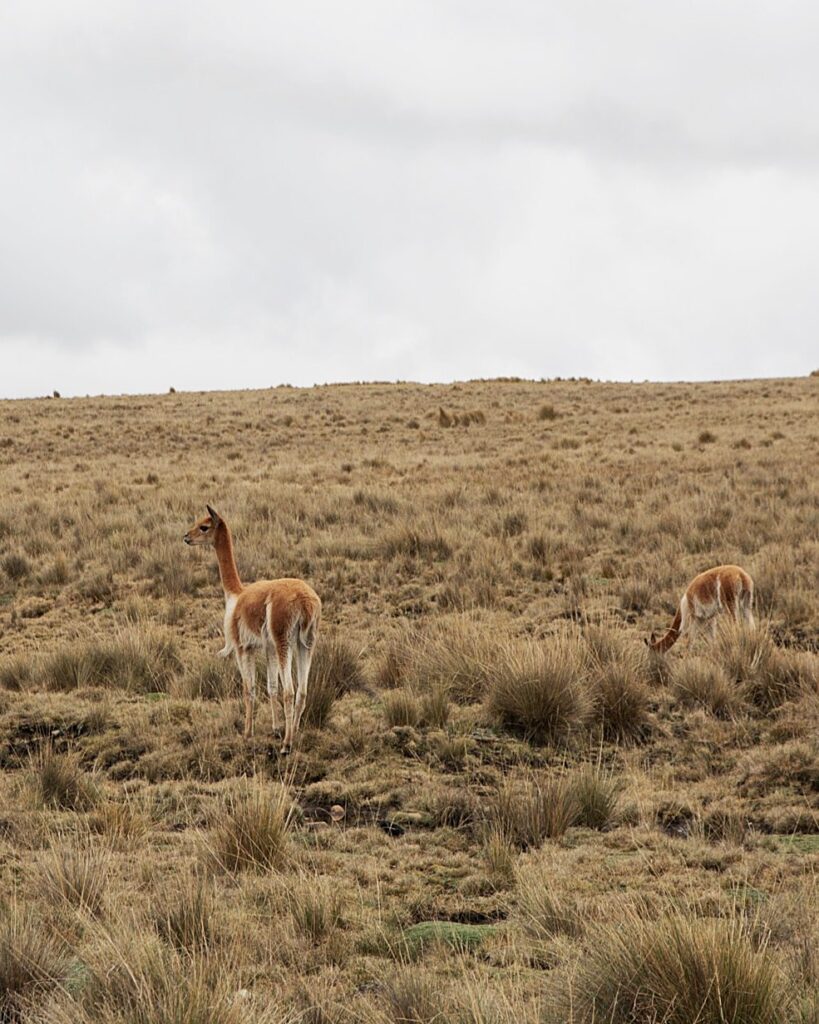
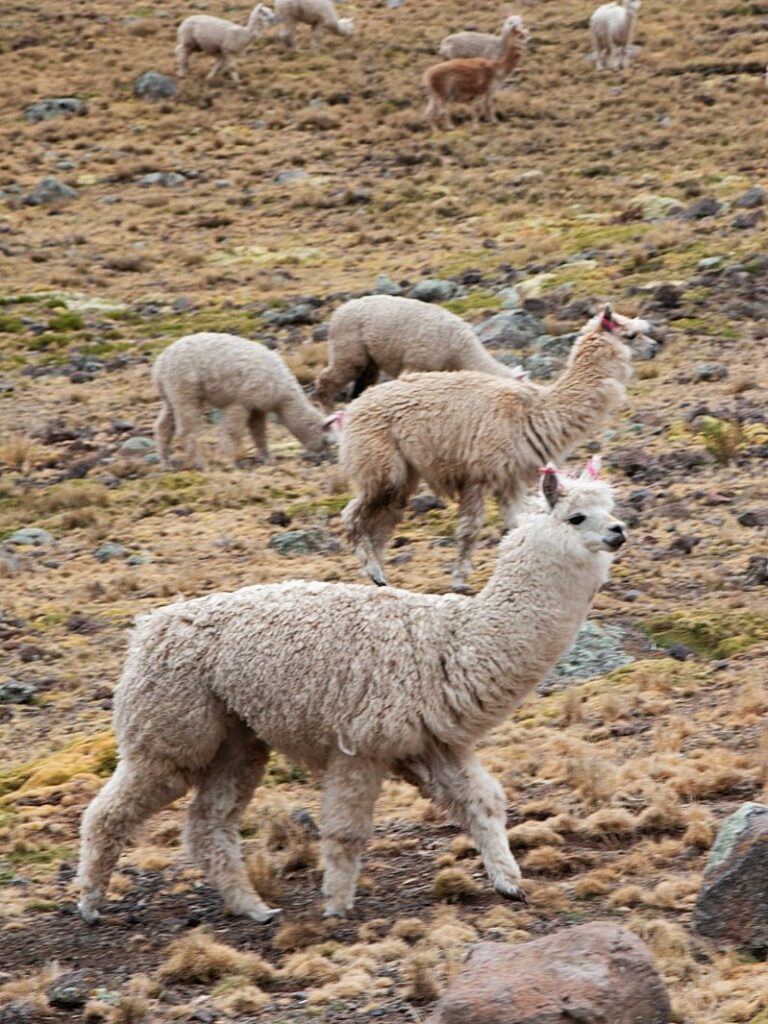
After Puquio, we headed once again to a plateau with herds of alpacas and vicuñas.
The vicuña is somewhat smaller and very shy. Its wool is very valuable, which is why it was nearly extinct. Now there are national parks where they are protected.
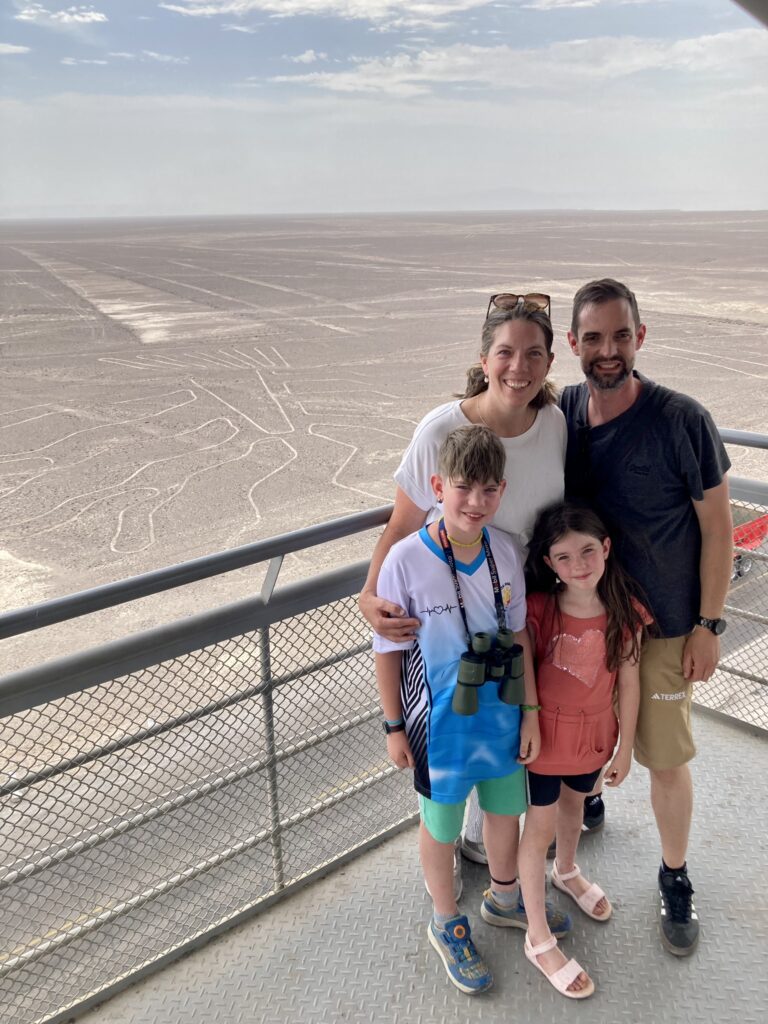
After visiting Nazca and the famous Nazca Lines, we headed toward Ica in the desert. There, we made a stop at the well-known Huacachina Oasis, where we booked a buggy tour that included sandboarding.
That was fun, and it was really hot!
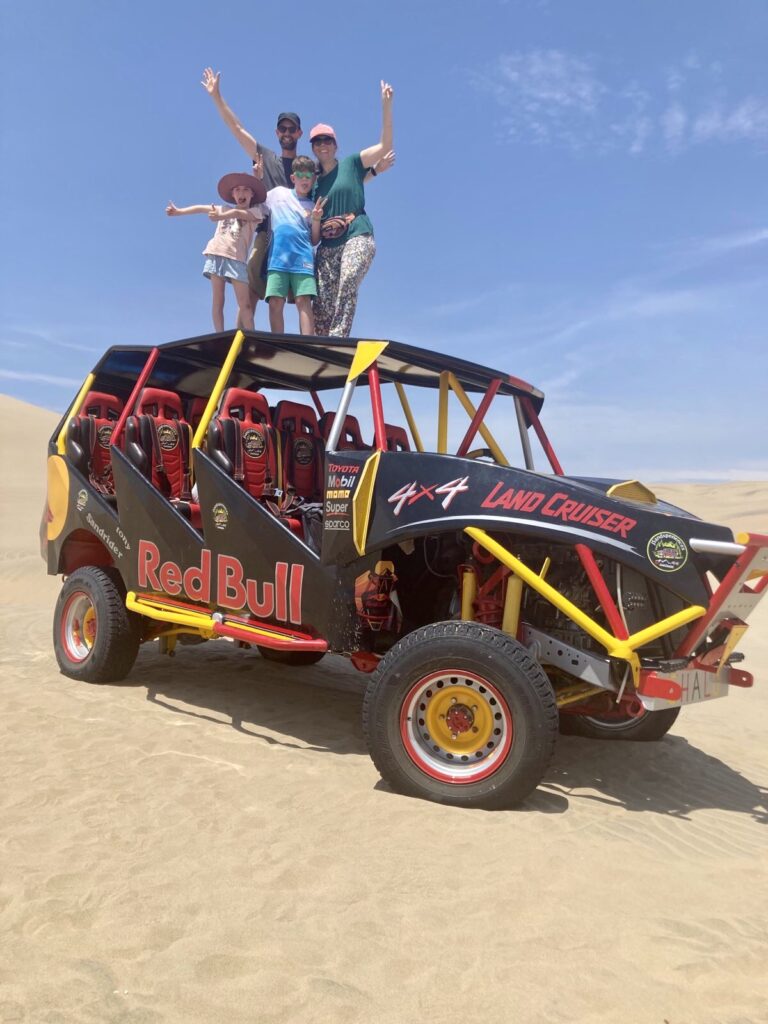
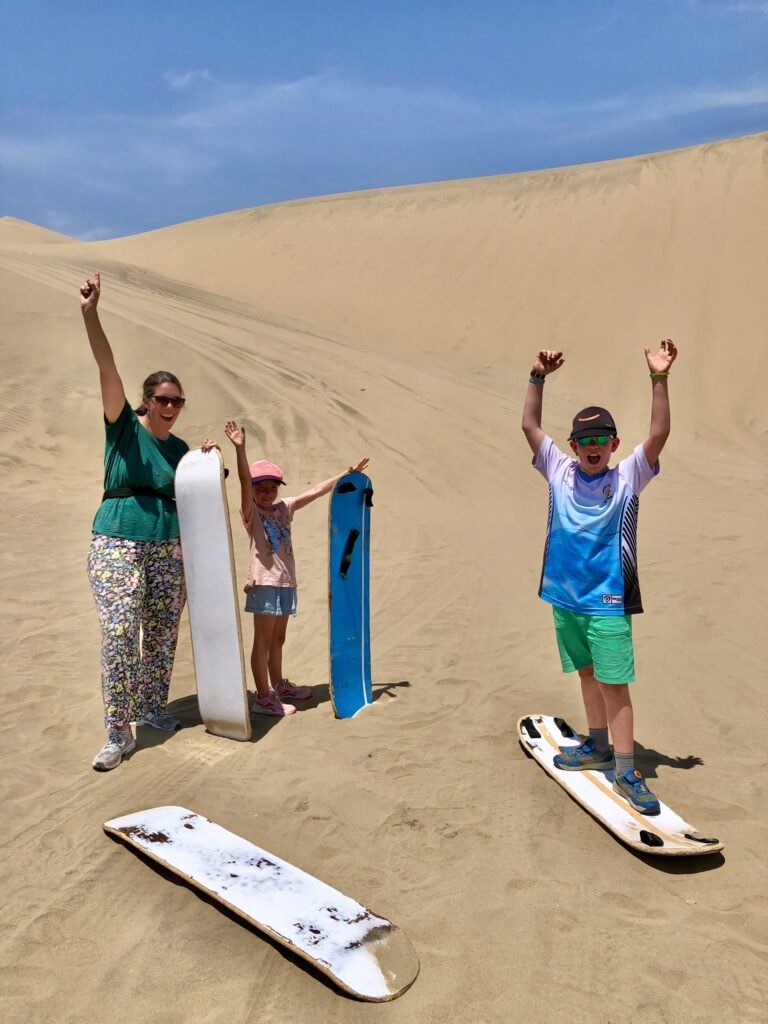
Now it was just a stone's throw to the ocean, a little south of Lima. There we spent the next five days with about 50 missionaries who live throughout Peru and are involved in various projects.
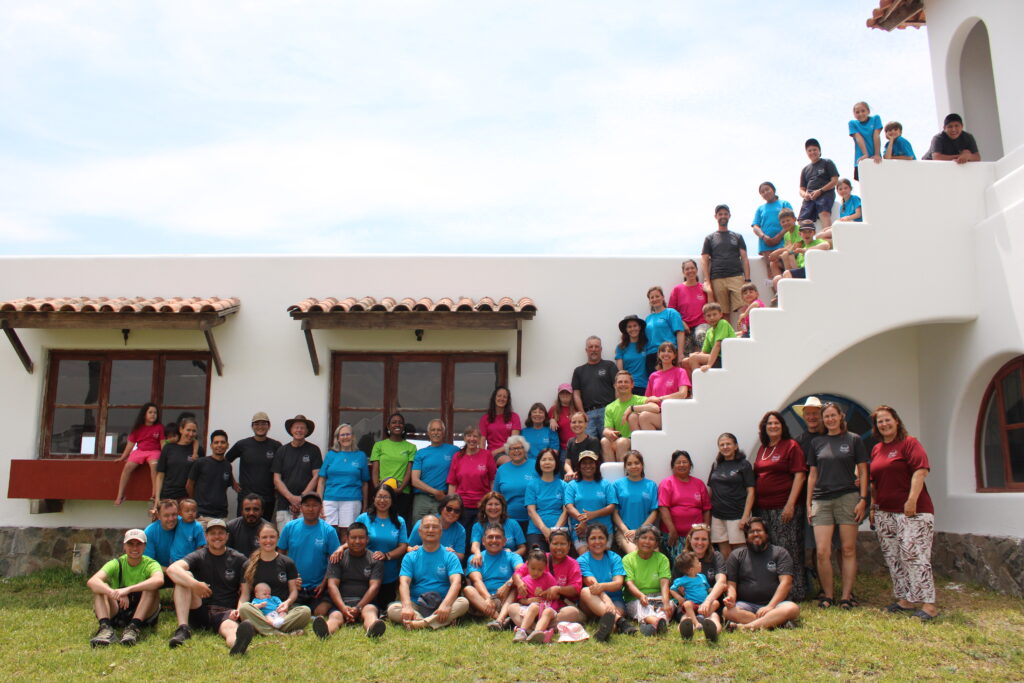
It was an enriching time for everyone. The mornings were filled with devotions and teaching, and the children had their own program. We spent the afternoons at the beach or in the pool.
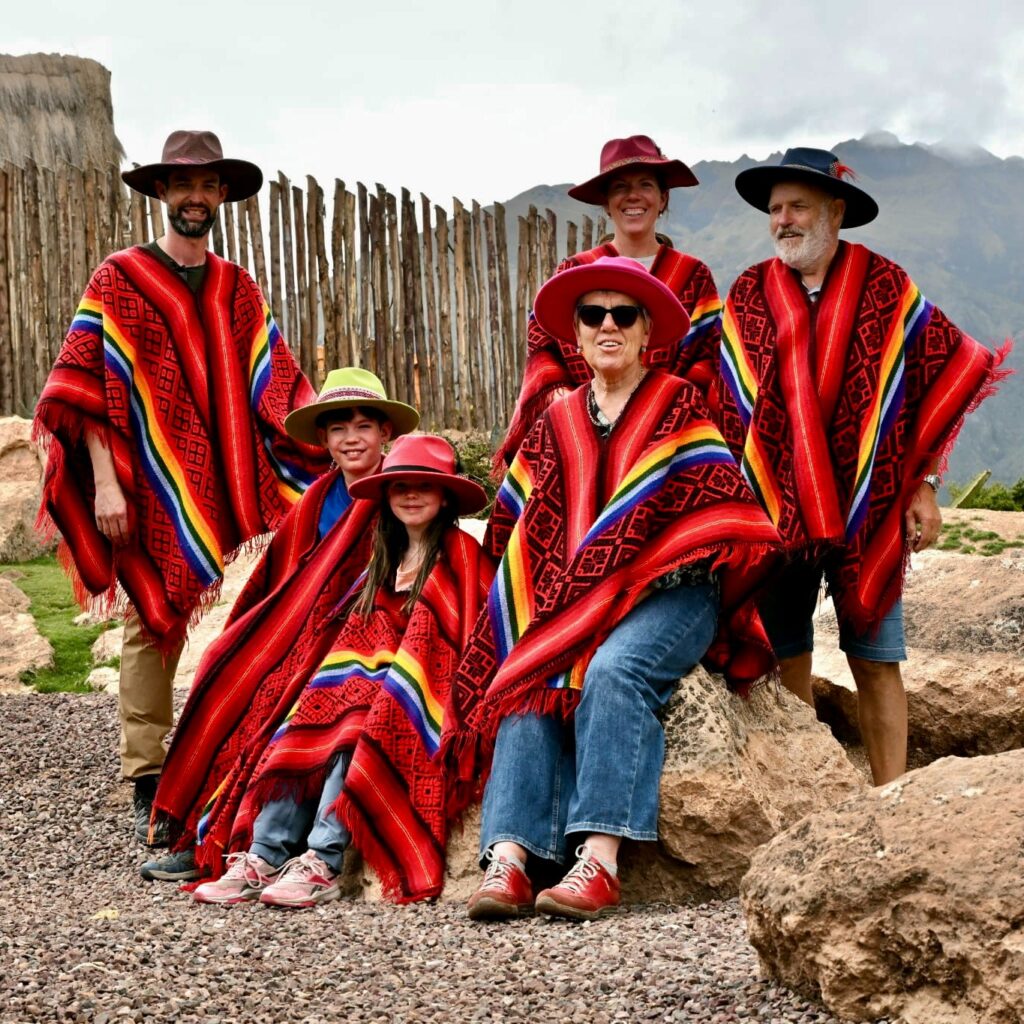
At the end of that week, we drove to Lima to pick up Rahel's parents, who were coming to visit us for four weeks.
It was so great to see each other again after 1.5 years!
Of course, they brought lots of gifts and chocolate with them. It was like Christmas all over again!
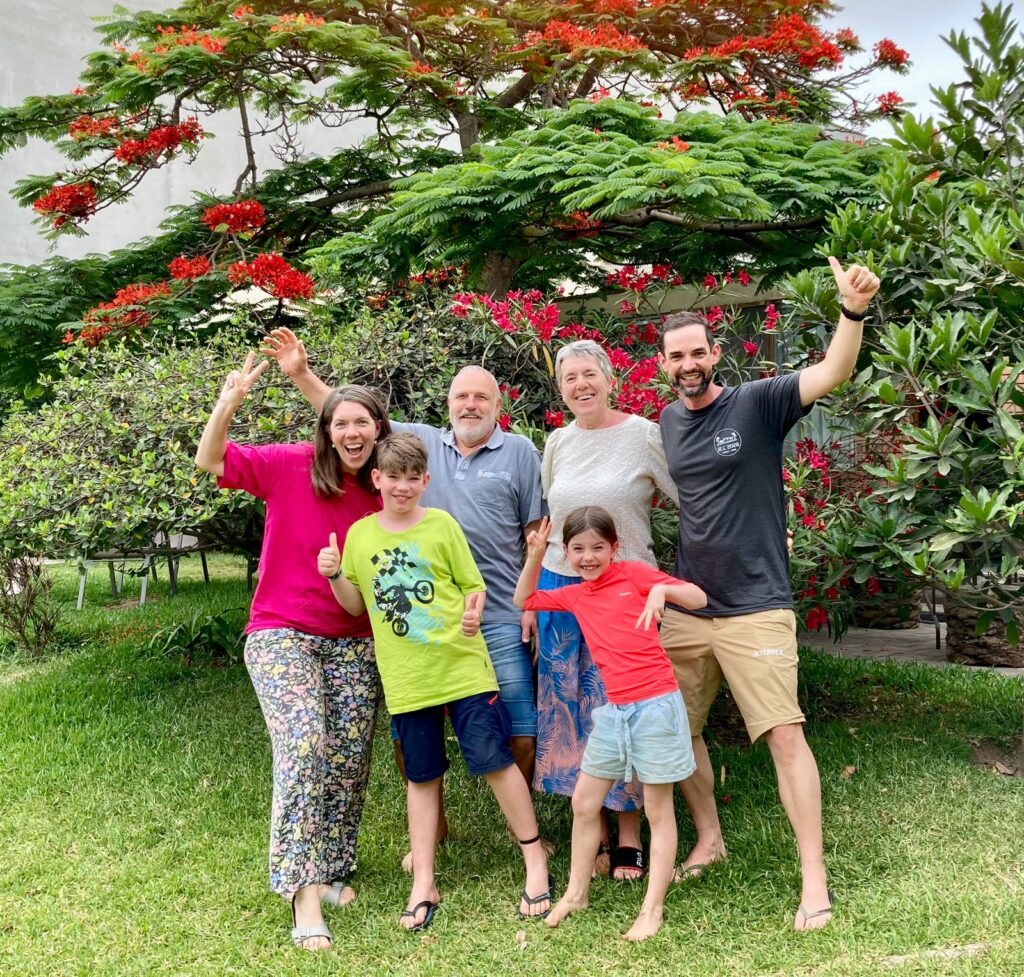
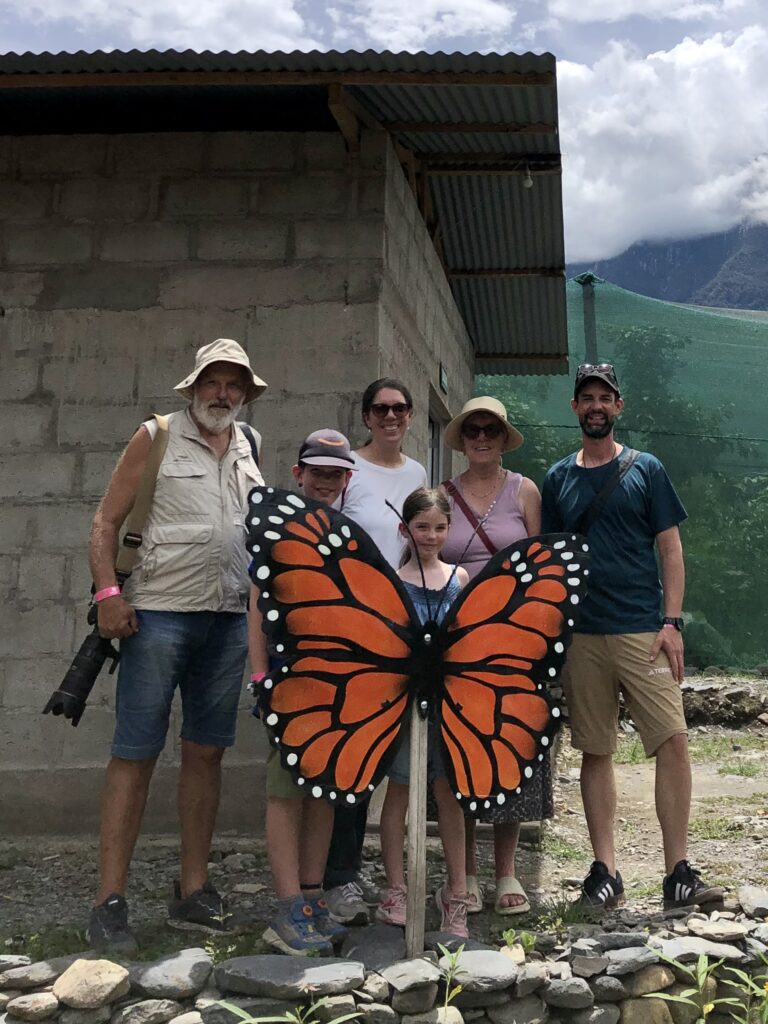
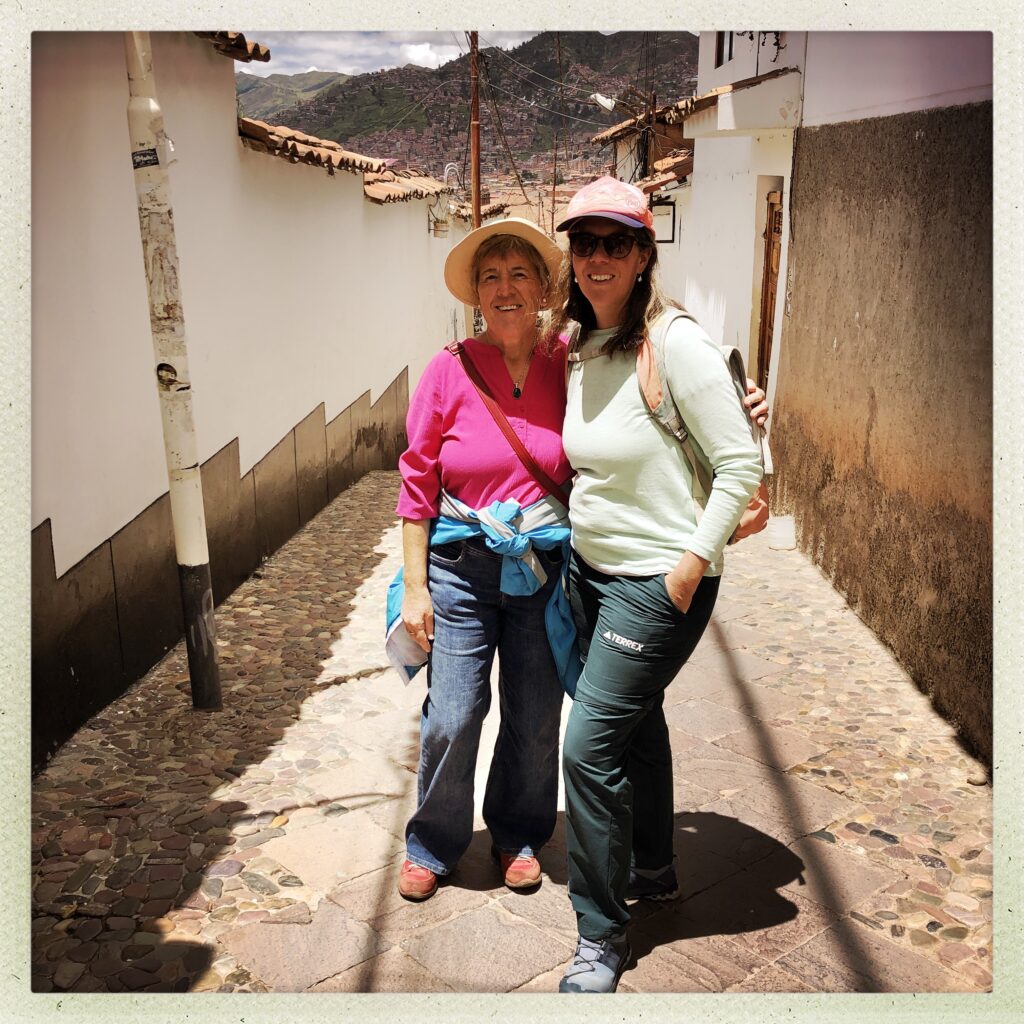
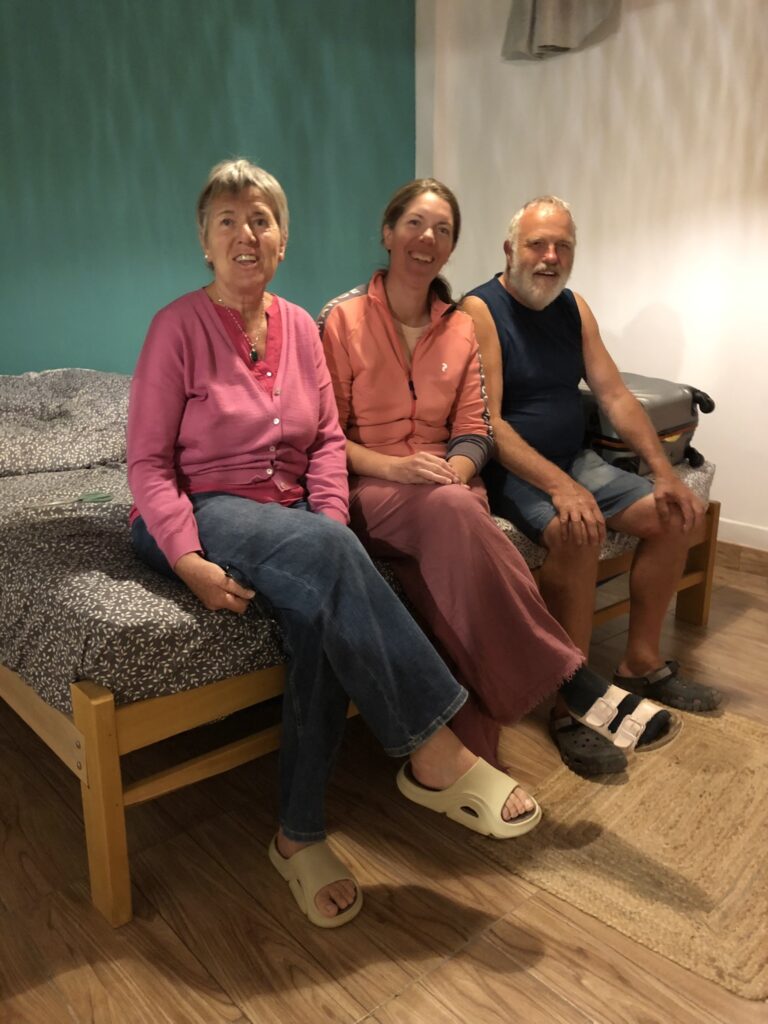
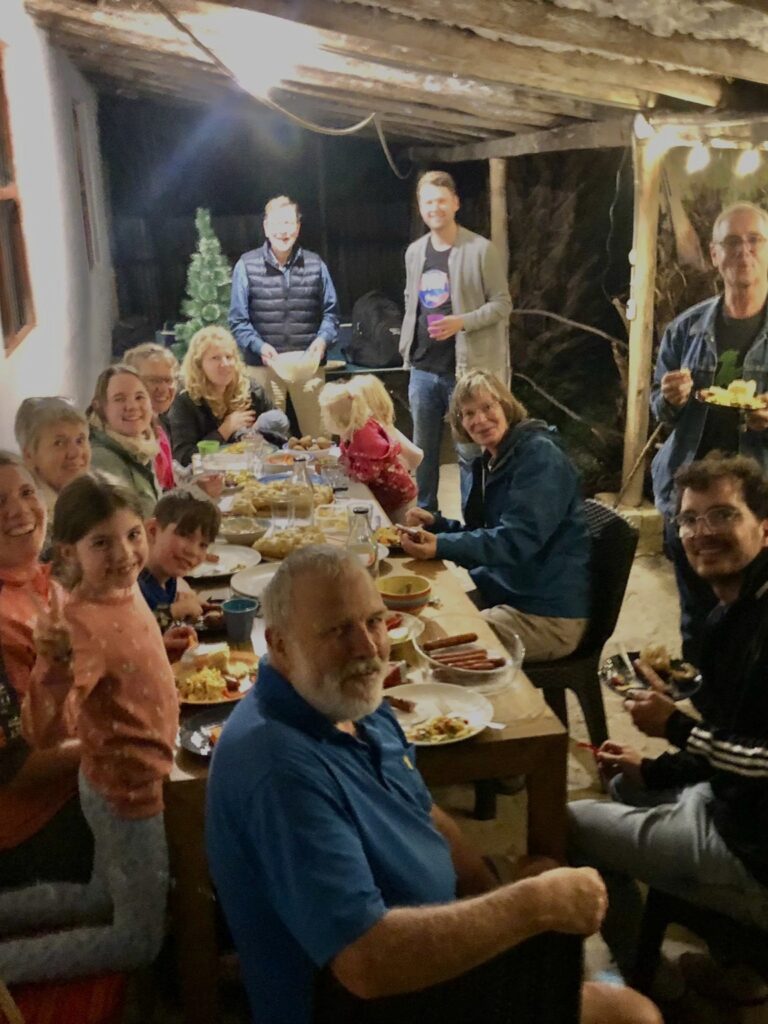
It was wonderful and rewarding to give them a better sense of our life here in Curahuasi, and the children were delighted to spend time with Grandma and Grandpa. Shortly before we left for Lima, we converted a storage room into a guest room. They got to try it out right away, and it’s been used many times since then!
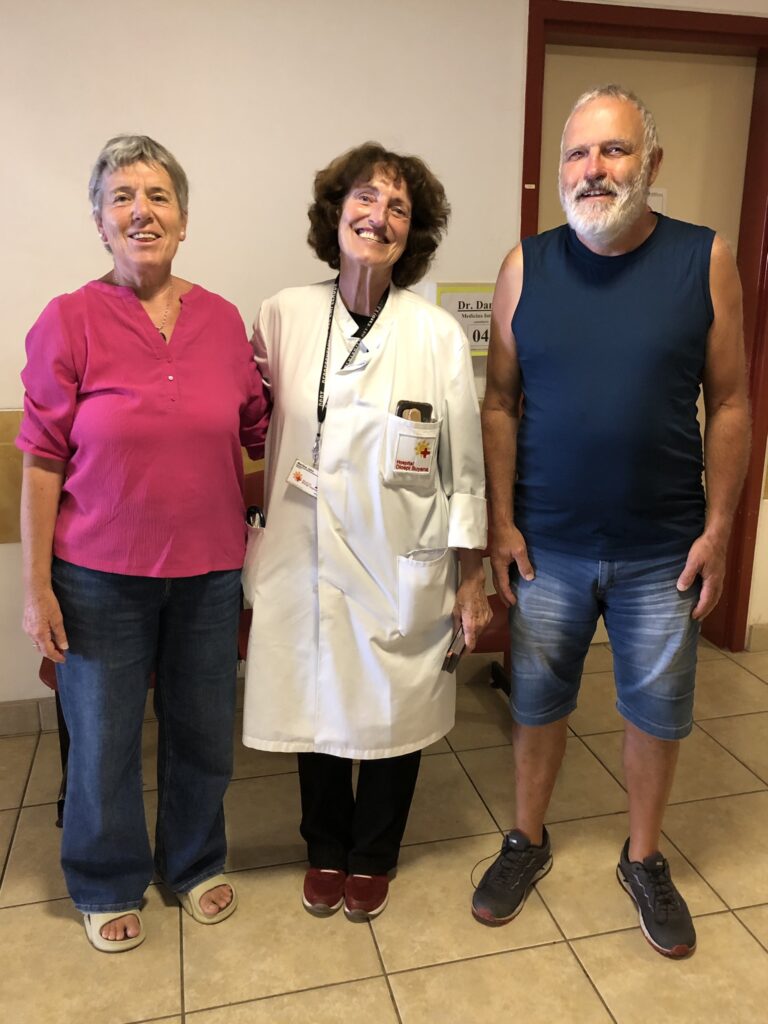
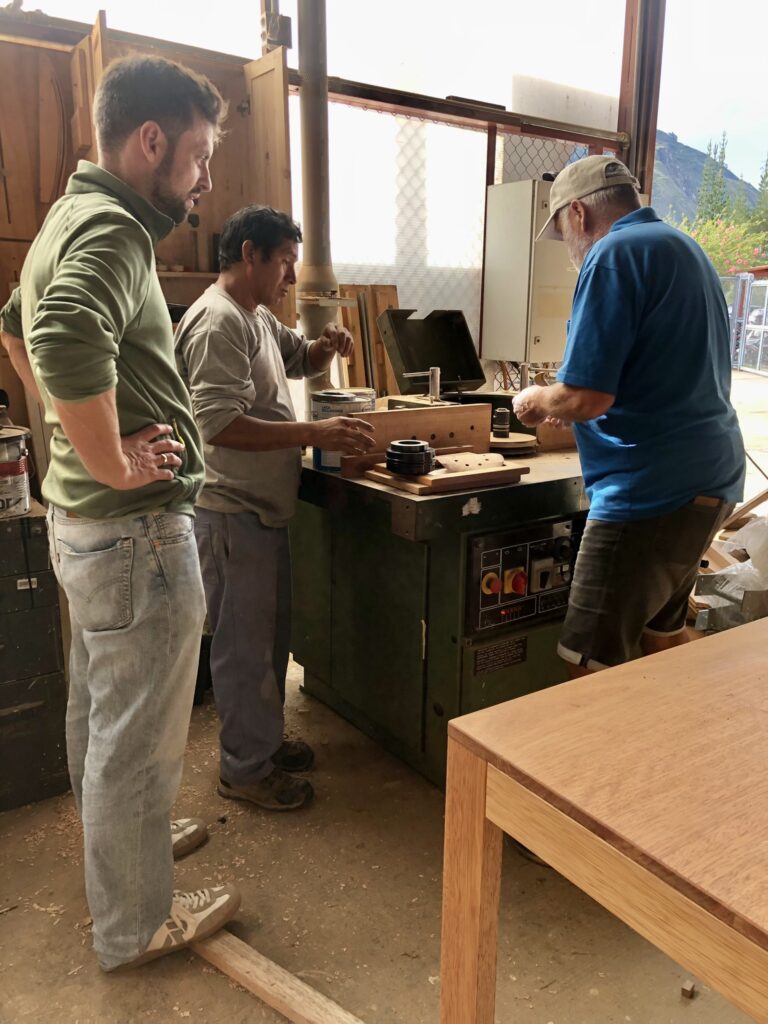
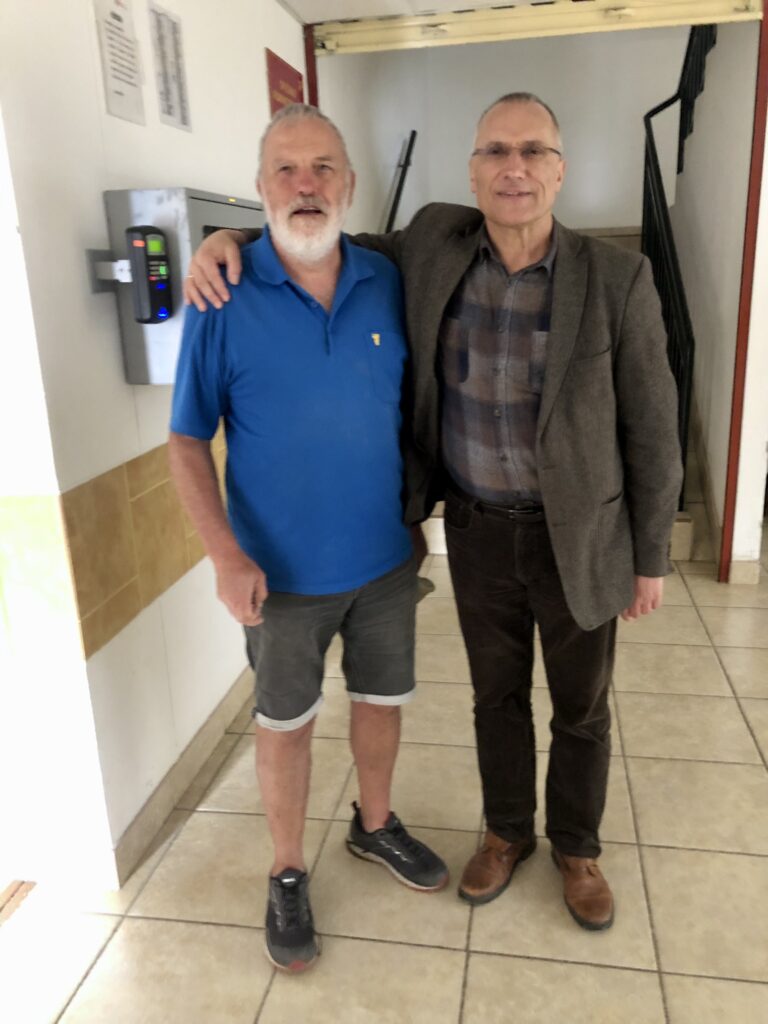
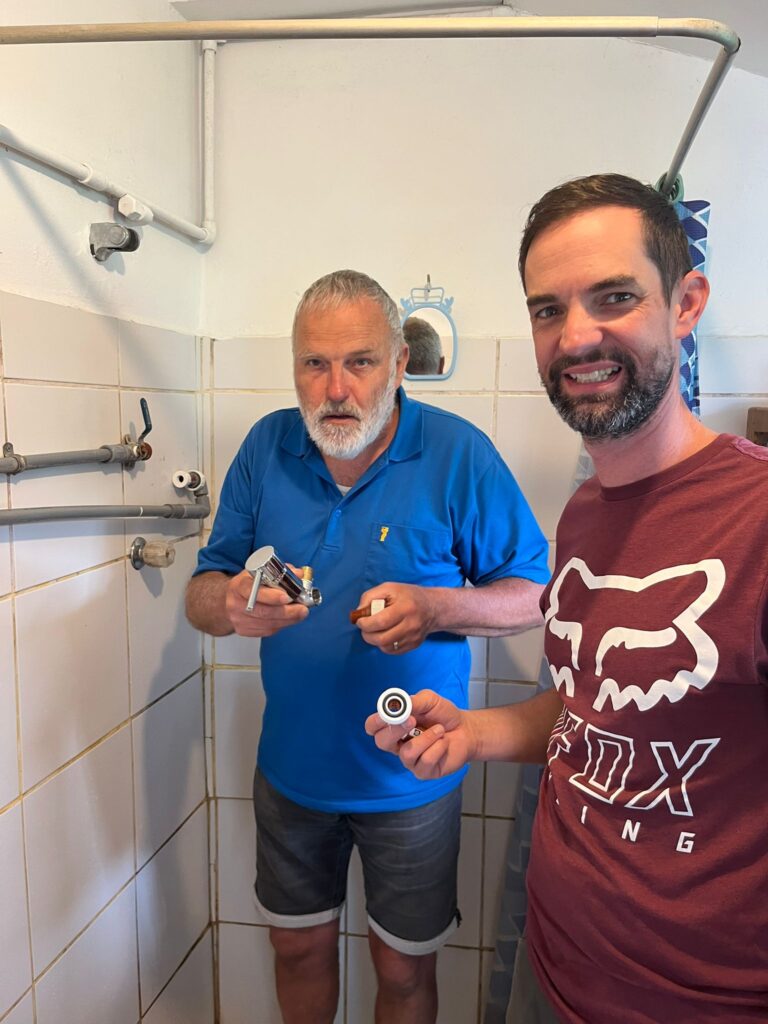
We also went on a hike up the local mountain, visited the weekly market, attended a Peruvian birthday party thrown by our dear friends, and took a guided tour of the school and the hospital. Rahel’s father (a trained carpenter) visited the school’s in-house carpentry shop, where he immediately rolled up his sleeves and repaired a machine that was thought to be broken.
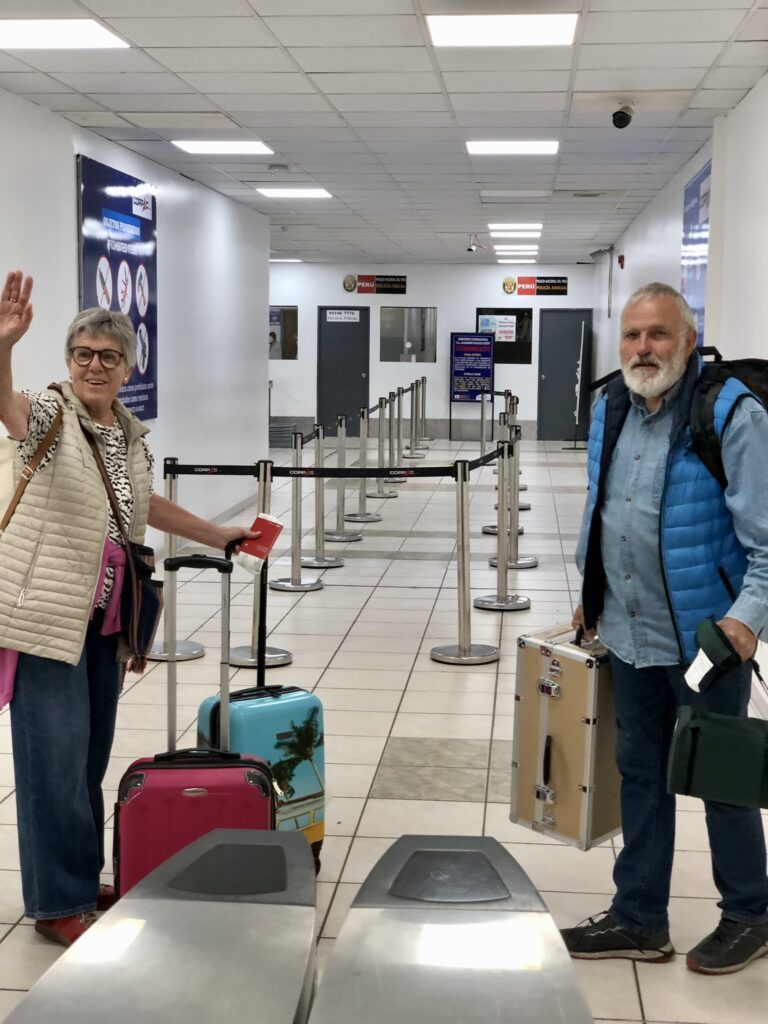
It was a wonderful and enriching time, and after four weeks, she headed back to cold Switzerland.
Intensive Care Unit
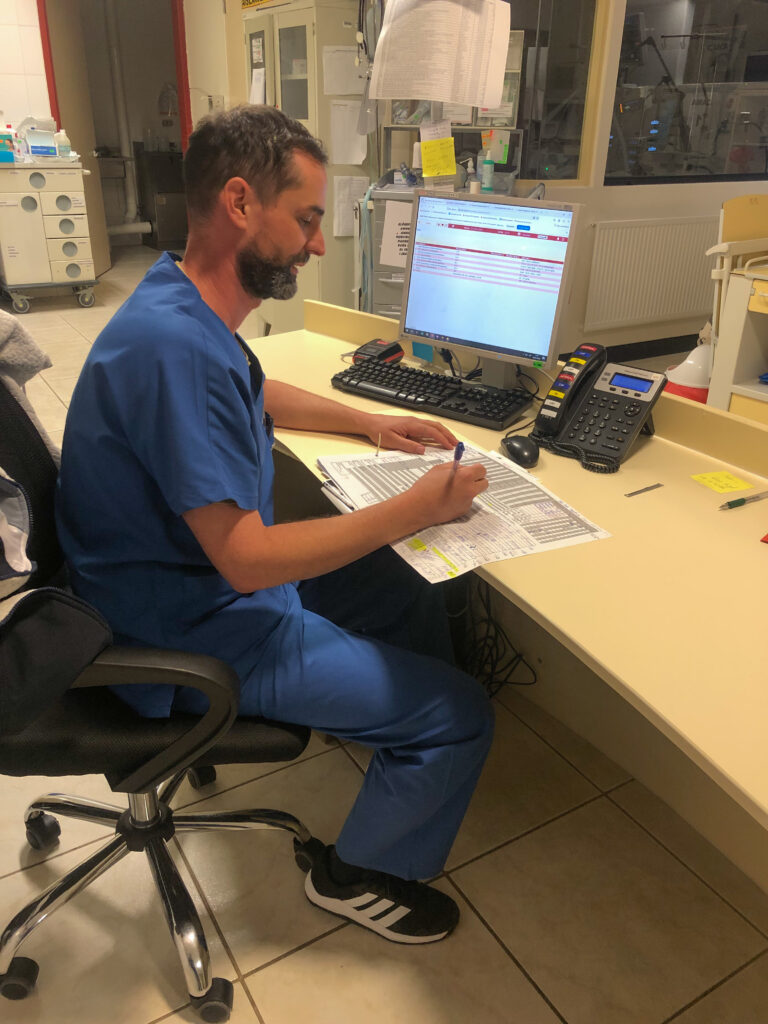
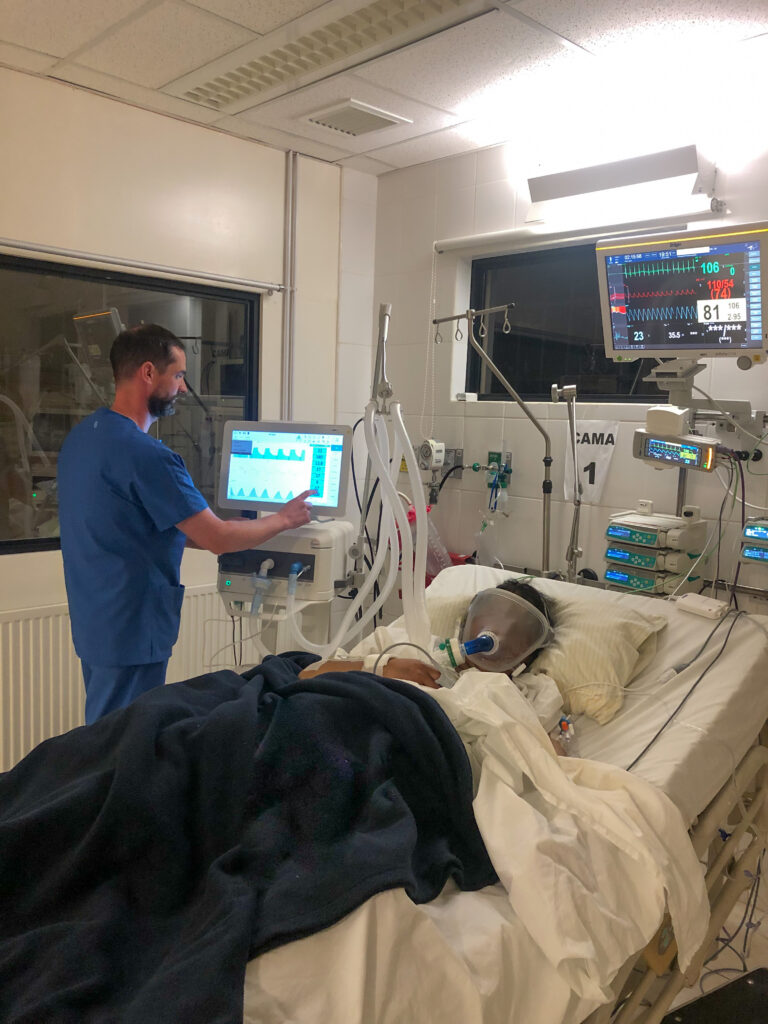
Before the youth festival, a patient was admitted to the intensive care unit. Since the same staff from the emergency department is also responsible for the intensive care unit, the emergency department was closed. Operations then switch to 24/7 shift work. All other emergencies are then handled by the inpatient ward.
At that time, we had to train a new employee because an experienced colleague had suddenly resigned. Another employee had injured his knee and had to undergo surgery in Germany. The team consists of seven people, one of whom works primarily in endoscopy. Another employee works as a temporary staff member on our team, and for Gabriel, working in the intensive care unit was a new experience.
Typically, the length of stay in the intensive care unit is about 3 days.
The hope was to be able to transfer the patient to the ward before the festival, but unfortunately, her health did not allow for it.
So Gabriel worked at night even during the festival, which allowed him to listen to the bands' music while he worked.
This shift work changed our weekly routine, and Rahel felt Gabriel’s absence in her daily life with the children. After his night shift, Gabriel would sleep during the day and then only be home for three hours at a time. At 7:00 p.m., he would head back to work.
After 51 days, we were completely exhausted—both the team and us as a family.
Unfortunately, the patient passed away shortly before our vacation in early June. We went to great lengths and fought hard to save her life, using medication, therapies, and prayer.
Laboratory
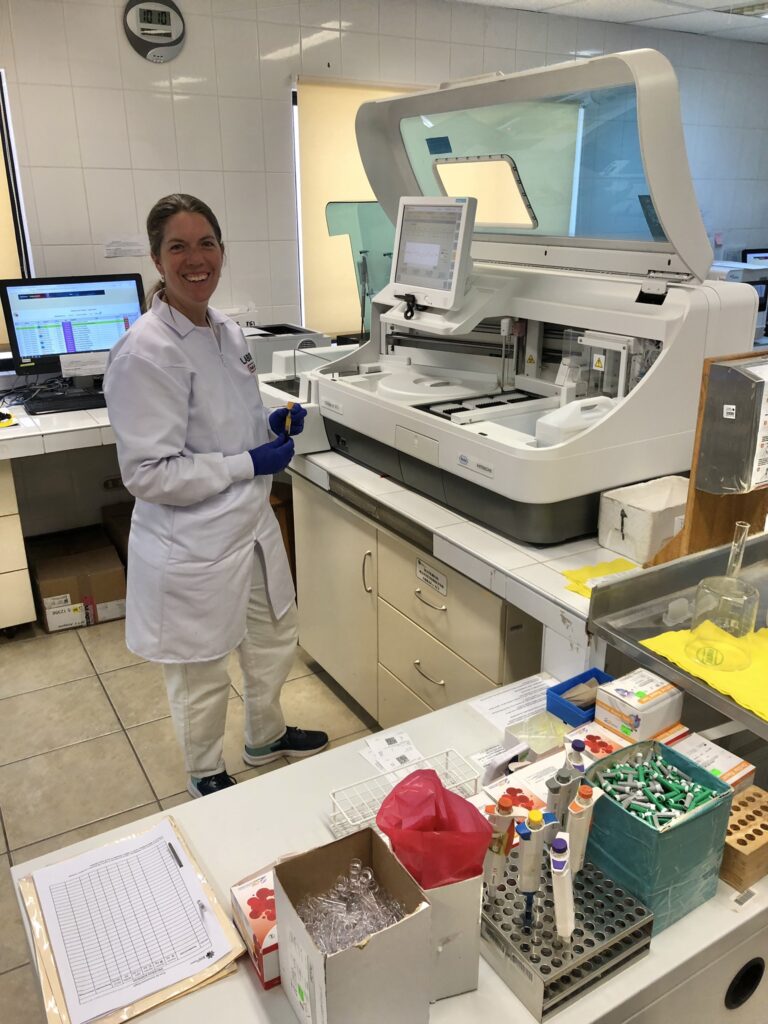
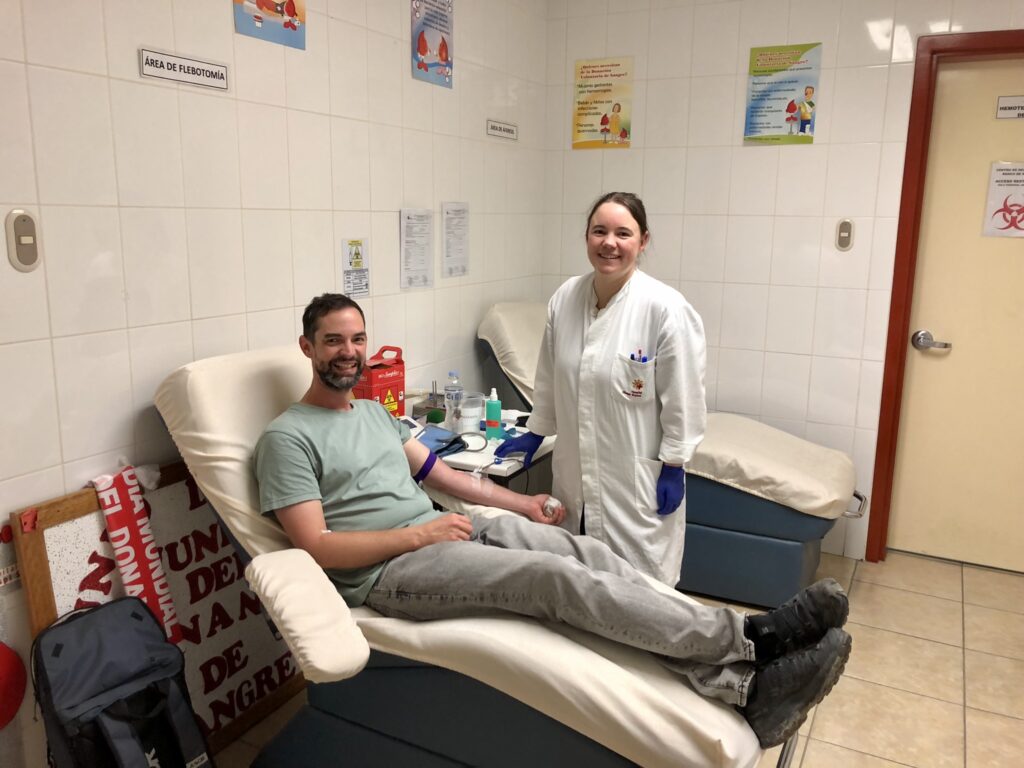
Since the patient in the intensive care unit required a large number of blood units, my team was also called upon to help. We have rarely prepared so many blood units in such a short time. Time and again, we called on staff members or even patients’ family members to help. What’s interesting is that in Peru, almost everyone has blood type O positive.
Our new Peruvian colleague was put to work right away. Since she had worked at Diospi before, her training period was relatively short, and she was able to provide us with active support after just a short time.
No power!
No power for over 30 hours throughout Apurimac. This affects about half a million people!
The reason for the power outage remains a matter of speculation. Apparently, it was caused by an overturned utility pole.
The various photos on Facebook showed a car that had rammed into a utility pole, a truck that had collided with a utility pole, and a tree that had snapped in half in front of an overhead power line pole. The circumstances weren't clear, but we were still without power.
The refrigerator looked like a stalactite cave, and our neighbor and friend, who sells ice cream, couldn't keep his ice cream cold or sell it.
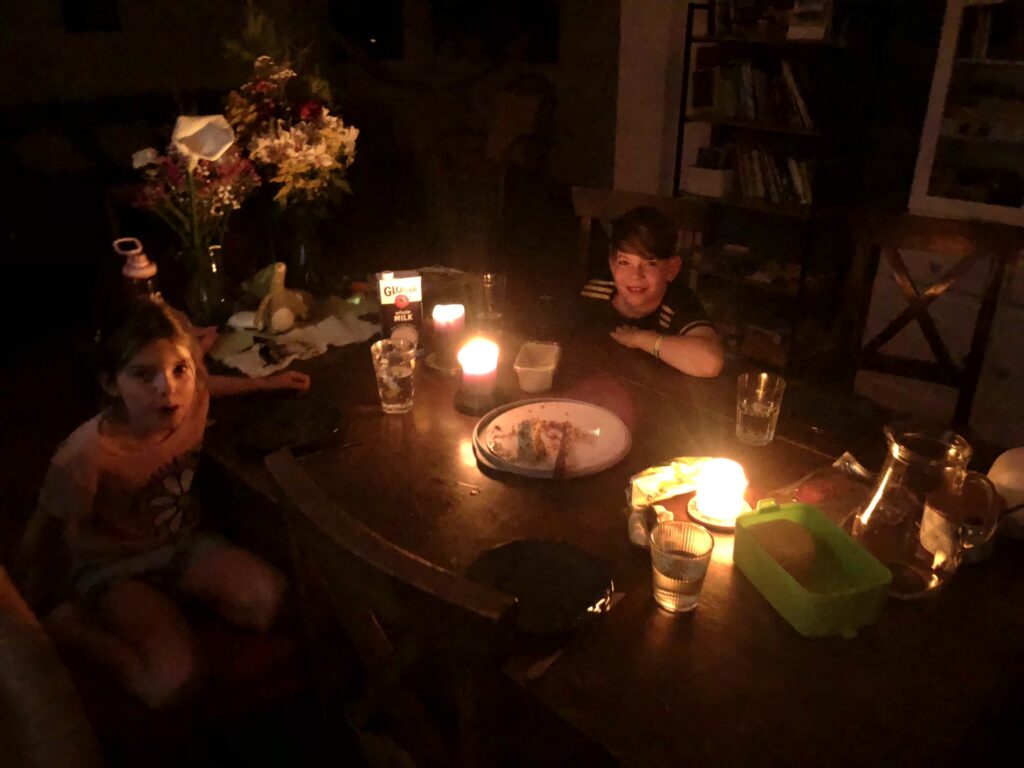
The tiendas (small shops) were dark in the back, and you could only find the items you needed with the help of your cell phone's flashlight.
Our kids wanted to watch movies, too, but the modem needs power, after all.
Ilay said, «Then can’t we watch something on YouTube?!»
We explained once again that, unfortunately, the Internet wasn't working, to which Mava replied, «Then we'll just use the tablet!»
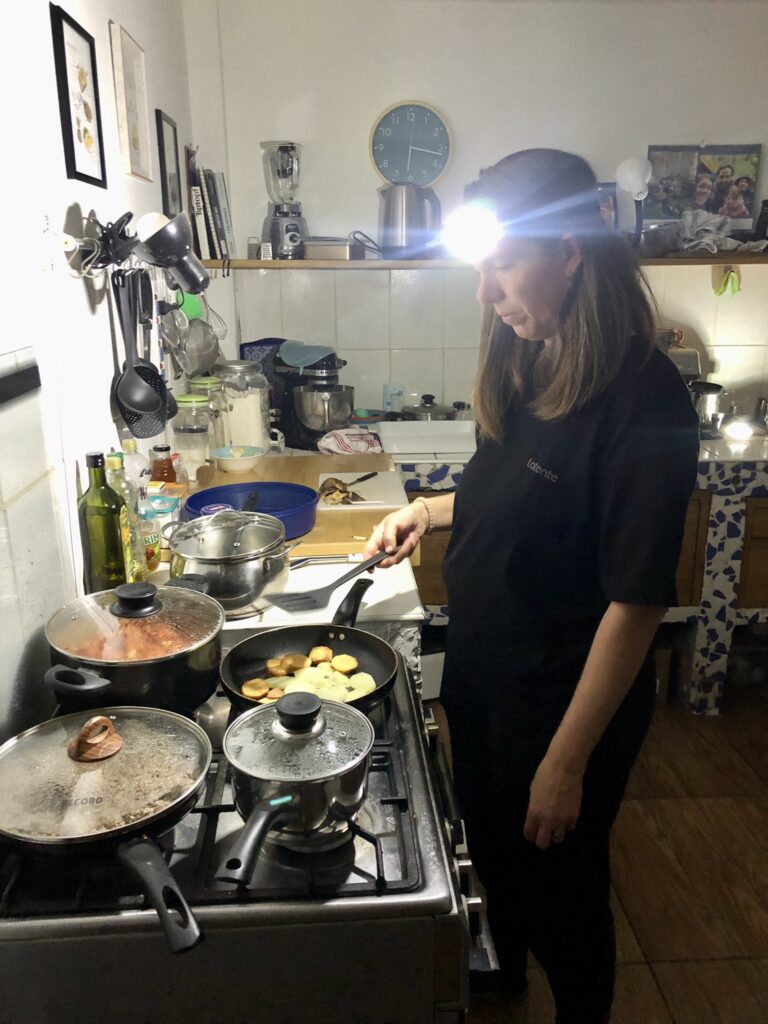
Since the water pressure in our house is generated by a pump, we couldn’t take a shower or wash the dishes with hot water either. We also couldn’t fill up our cars anymore, since the gas pumps run on electricity. Well, it’s amazing how many things don’t work when there’s no electricity! We were very fortunate to be able to charge our cell phones at the hospital, since the hospital runs perfectly fine on emergency generators. That was also necessary, because surgeries were still being performed at that time, and we had two patients on ventilators in the intensive care unit. On Wednesday, we received word that the power outage could last until Sunday. Gabriel got candles, matches, and a gas supply for cooking. In doing so, he realized that he felt like he was the only one making an effort to take care of these things. In Curahuasi, there was no sense of panic or unrest. And the next day, the power was back on. A few days later, we had bought some cheese, which unfortunately didn’t agree with us, since the refrigeration systems in the stores hadn’t been working either.
Fly Infestation
In Peru, most flies (especially in humid and warm regions) appear during the rainy season between November and March. According to Google, the combination of high humidity, heat, and rainfall during this time creates ideal breeding conditions.
And yes, in February, the number of flies in our house was unbearable.
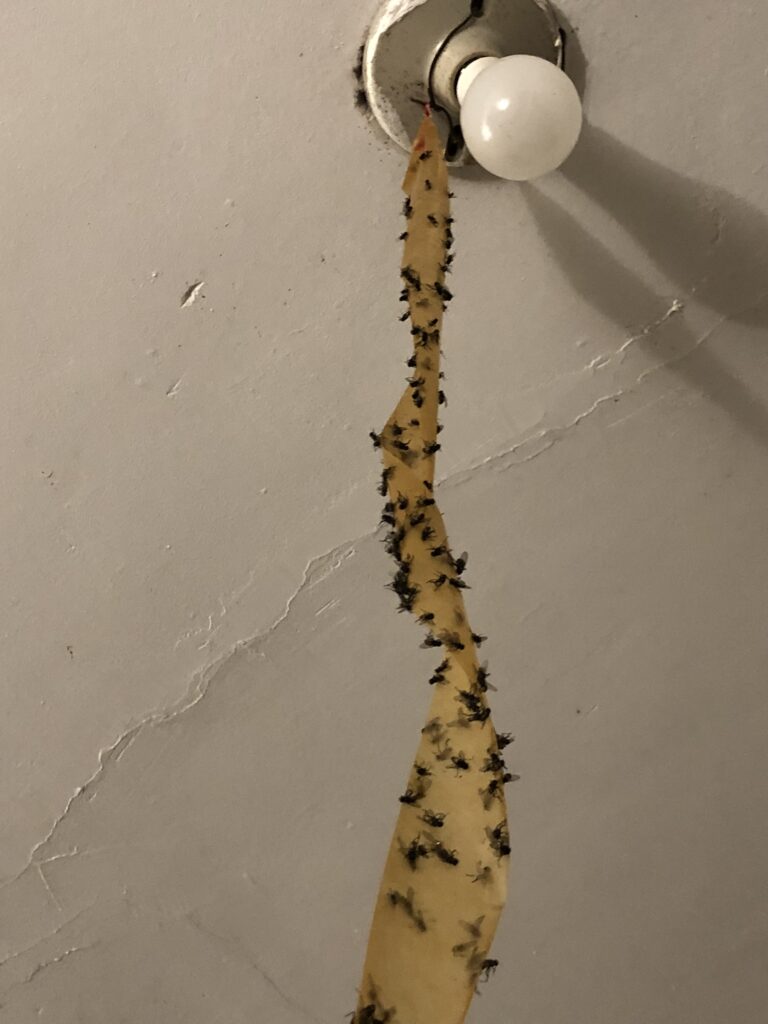
By midday, so many flies had gathered that it was almost impossible to eat lunch or spend time in the living room. No matter how many flies we swatted (at least 30 flies a day), their numbers didn’t go down! We bought those sticky fly-trap rolls, which were black again after just one day and had to be replaced.
At that time, there were four flycatchers hanging in our house at the same time.
Now Rahel has thrown away the last one.
Youth Festival
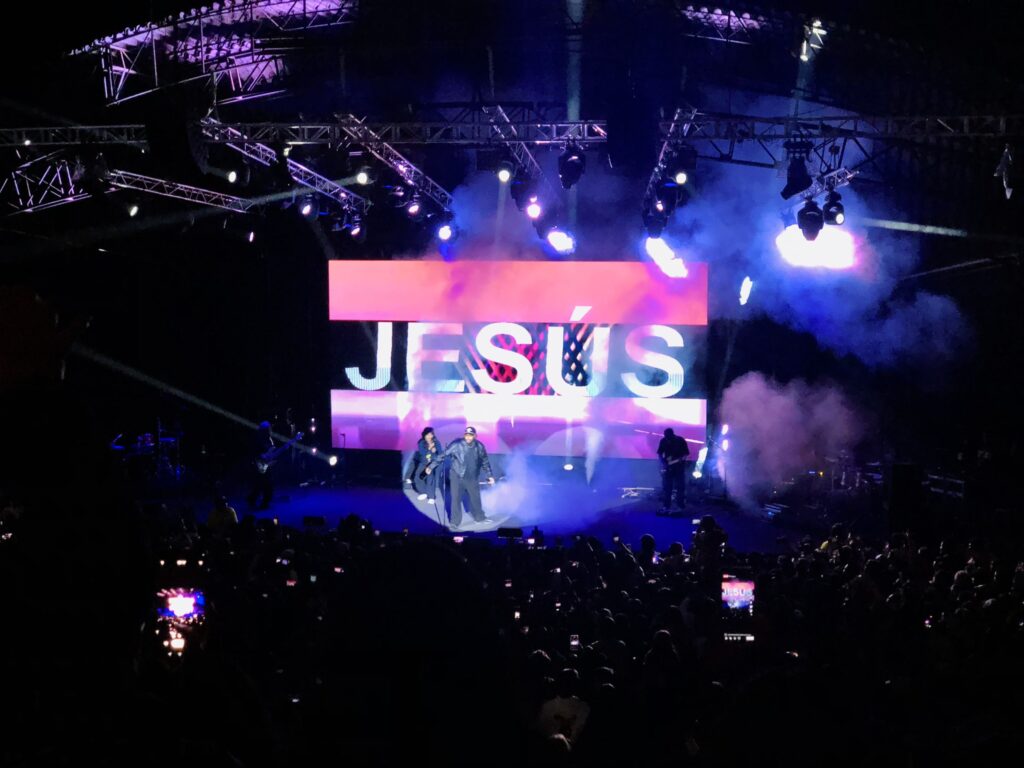
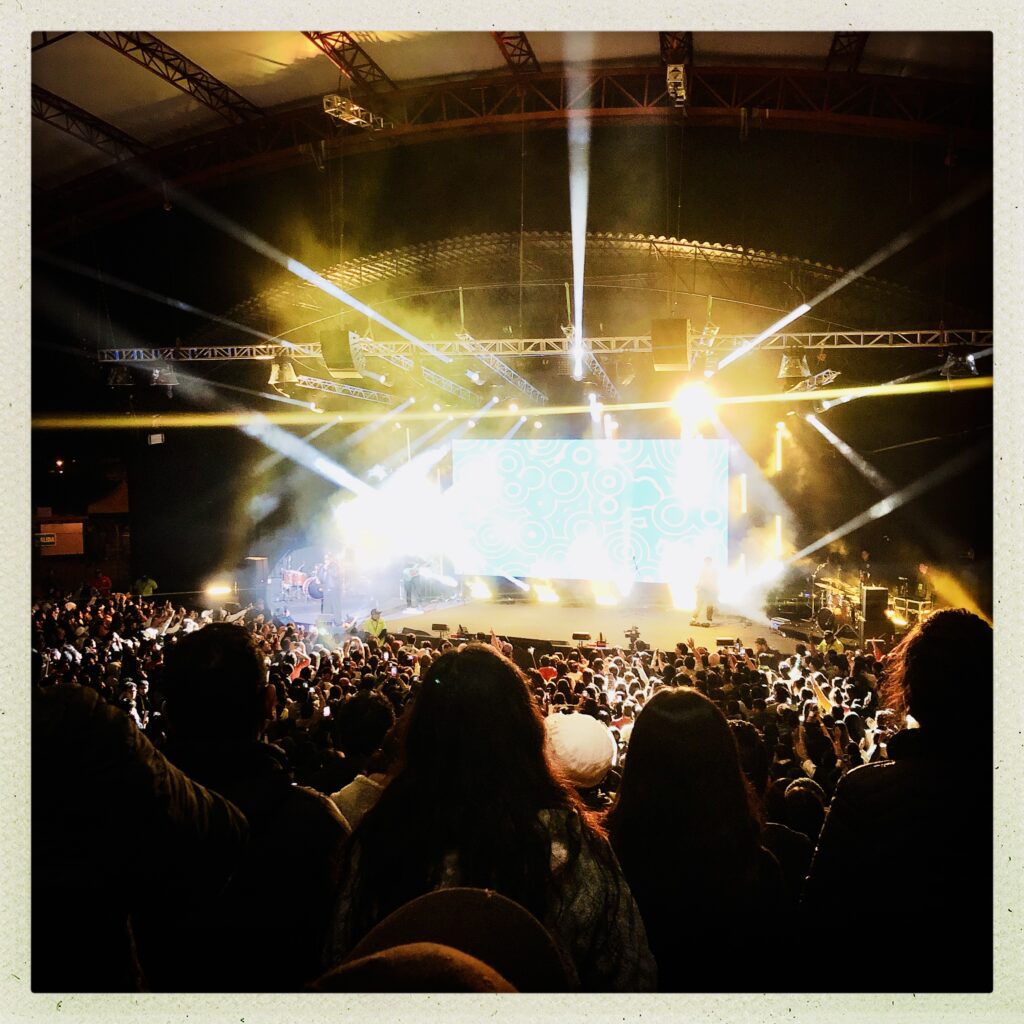
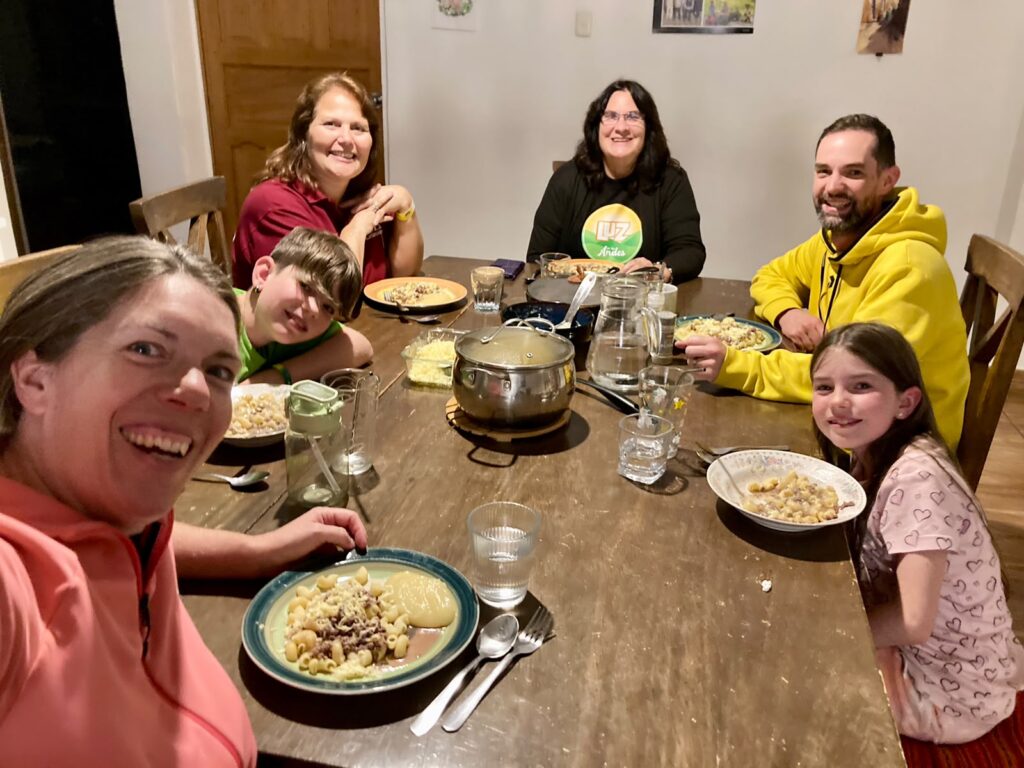
At the end of April, the 4th Youth Festival, titled «Luz en los Andes» (Light in the Andes), took place. Construction work on the amphitheater was completed shortly before the event. It could now accommodate 5,000 visitors! Over the course of five days, 10 bands from the Spanish-speaking world performed! The days were filled with devotionals, over 50 workshops on various topics, and two concerts each evening.
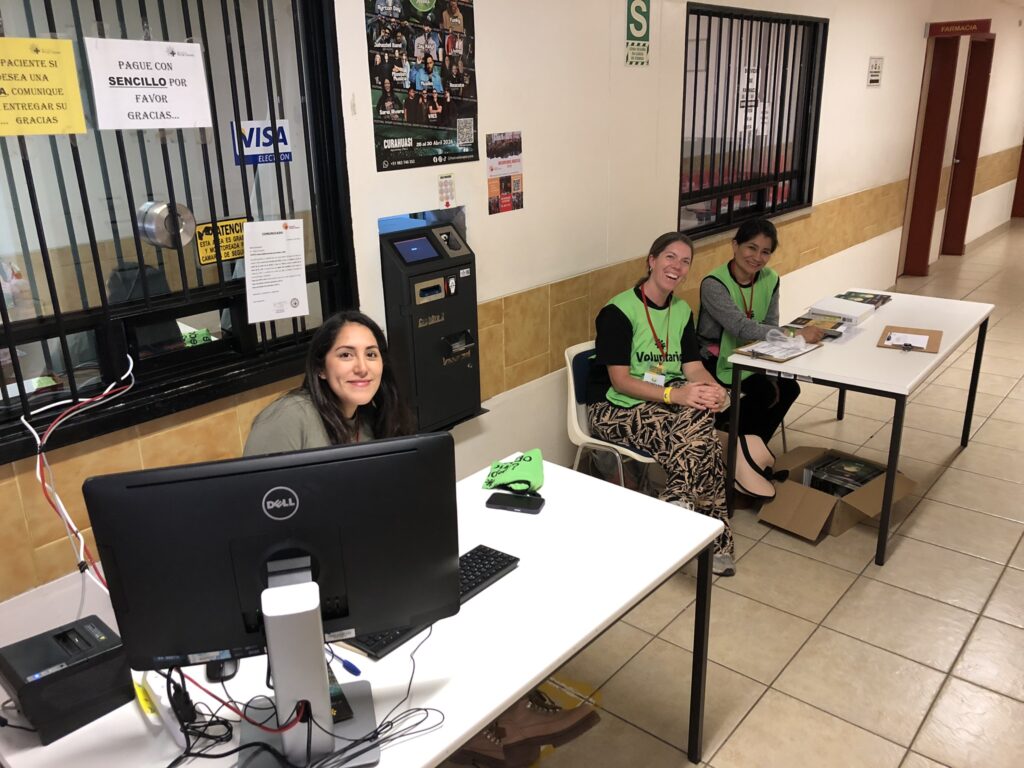
For months, there had been a playlist on Spotify featuring songs by the participating bands. Visitors came from all 24 of Peru’s regions and from neighboring countries! Rahel helped out with ticket distribution, and we were able to host two female missionaries from SIM in Lima in our guest room; each of them led a workshop.
The children did not have school that week, as the school buildings and playground were used for workshops and a prayer trail. Throughout the day, visitors were able to participate in prayer and pastoral care, and many took full advantage of these opportunities.
Despite two major thunderstorms during the concerts—which caused power outages and heavy rainfall—there were no major incidents.
We hope and pray that during these five days, the young people have found new hope and a new outlook on life, and that they may experience true transformation through Jesus. Because that is what these festivals are all about.
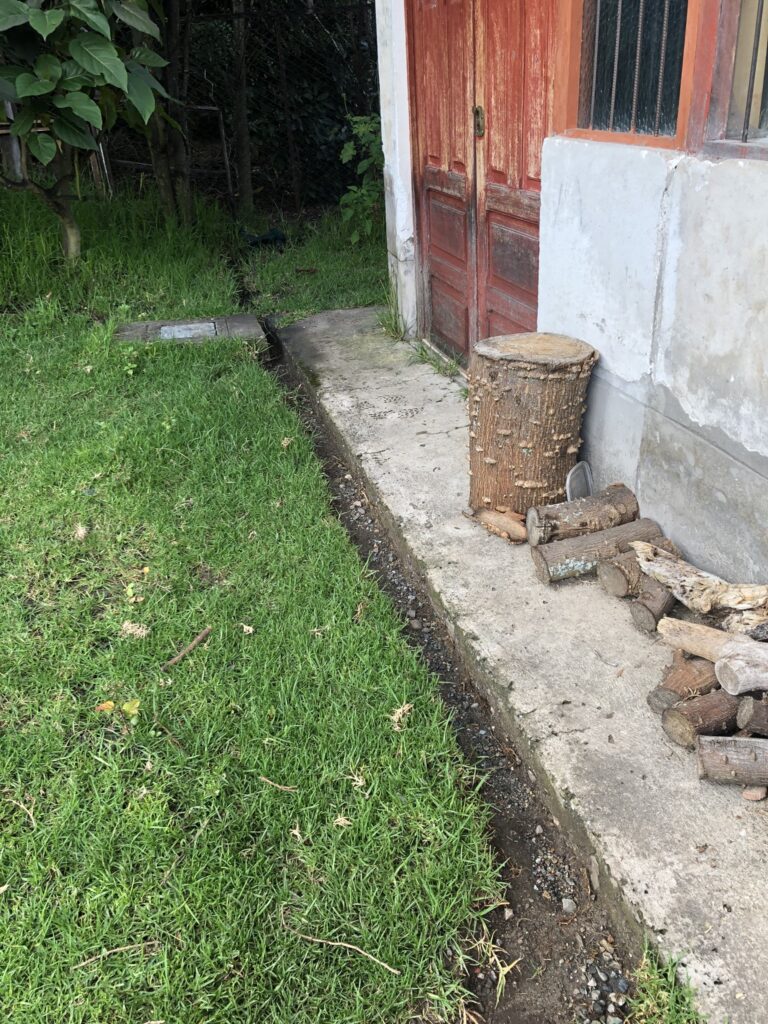
Moat in front of the house entrance
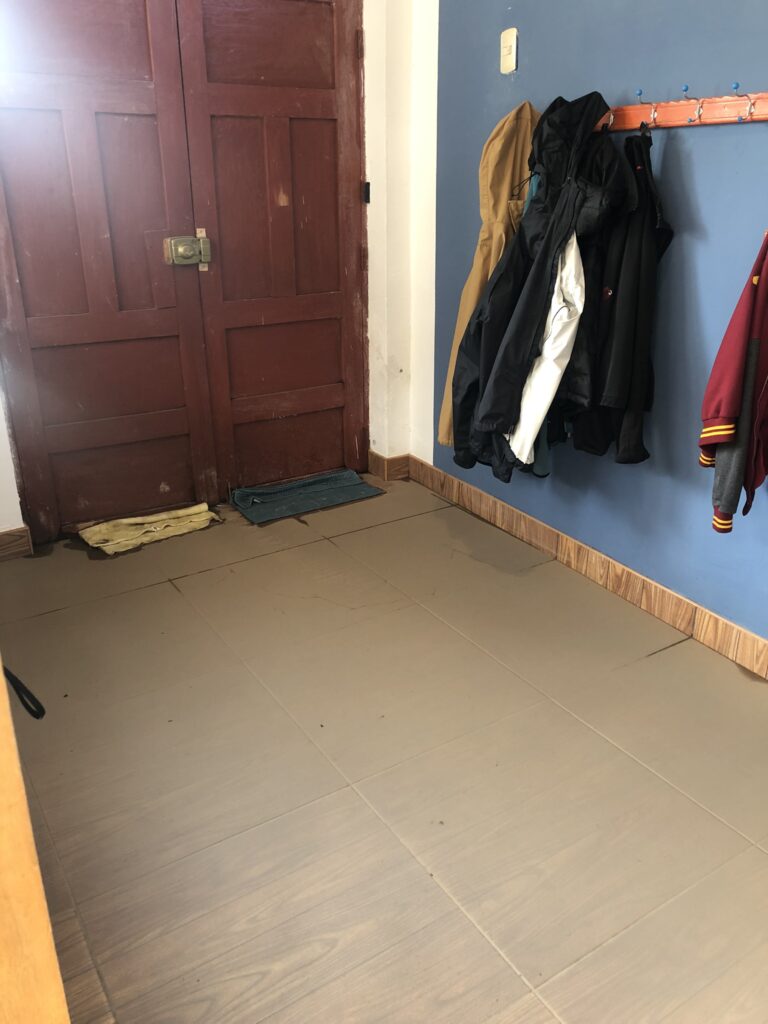
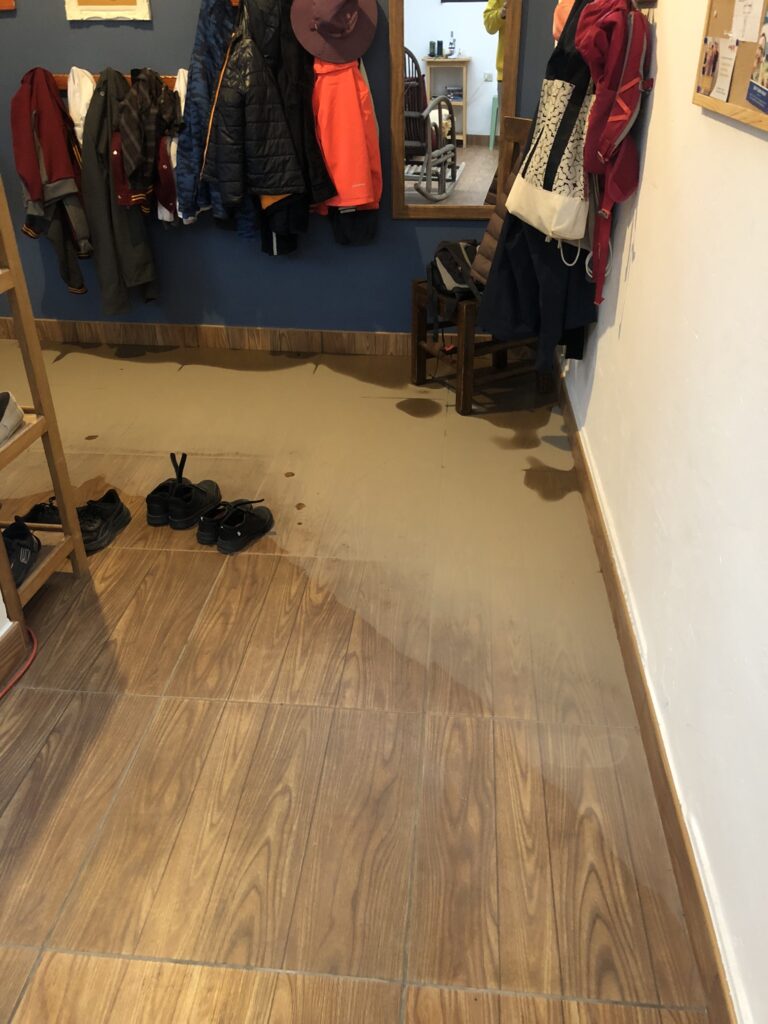
One morning, Gabriel walked into our closet, completely unaware of what was coming, and was startled! The entire floor had turned brown. You could no longer see the grout lines between the tiles, but the discoloration was dull and dry.
During the night, the coatroom was flooded with rainwater and had dried out. Gabriel cleaned the floor with great effort and fresh water. The next night it rained very heavily again, and by morning the coatroom looked exactly the same. The floor was cleaned again, but by the next day everything was brown once more. That’s when we realized that, because of the slope of the hill, water had pooled in a puddle in front of our large double-door entrance, overflowed, and flooded our coatroom.
Thank goodness Gabriel had gained a lot of camping experience with his parents and grandparents in Ticino, so we quickly dug a ditch. The closet has been dry ever since.
See you next time!
 Deutsch
  Español de Perú
  English